

WaterSense fixtures deliver a direct, proven way to slash water bills and lower household usage—without sacrificing comfort or modern design.
Key Takeaways
- WaterSense fixtures can save thousands of gallons and over $75 per year on water and energy bills for the average home.
- Rebates and discounts are widely available from utilities and retailers for 2024, although federal tax credits are not.
- Installing WaterSense certified products requires minimal upgrades and avoids common retrofit headaches in most homes.
- What Are WaterSense Fixtures and Why Upgrade?
- How to Switch to WaterSense Fixtures: Step-by-Step Guide
- Advanced Analysis & Common Pitfalls
- Conclusion
- FAQ
What Are WaterSense Fixtures and Why Upgrade?
WaterSense fixtures are EPA-certified plumbing products—like showerheads, toilets, and faucets—engineered to use at least 20% less water than standard models without a drop in performance. Upgrading to WaterSense labeled products helps households reduce their utility bills, minimize environmental impact, and often qualifies for local rebates or discounts.
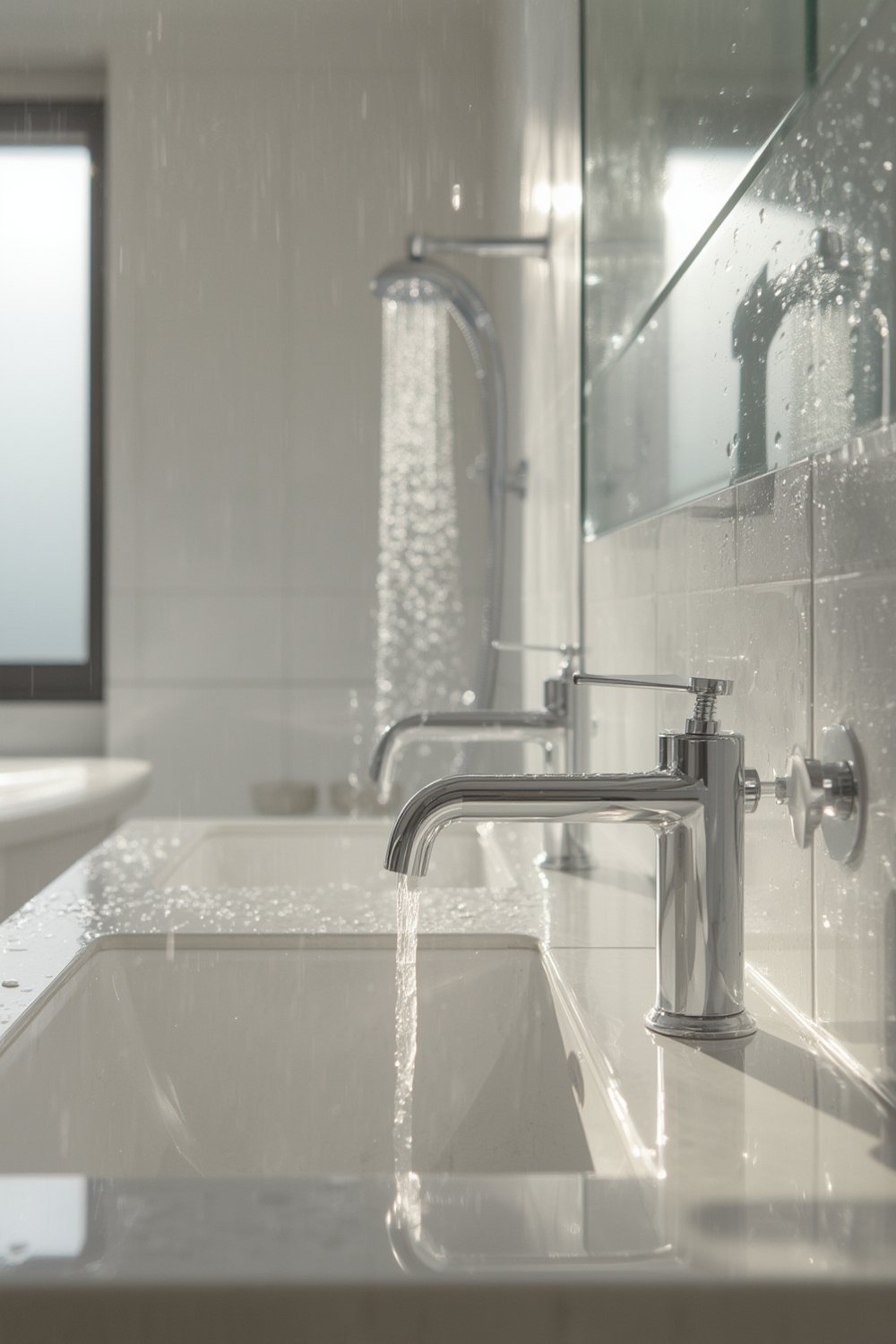
This federal labeling program exists because conventional fixtures waste a surprising amount of water and money each year. For example, standard toilets manufactured before 1994 often use 3.5 gallons per flush. Their WaterSense counterparts use less than 1.3 gallons with at least equal flushing power. WaterSense showerheads must use no more than 2.0 gallons per minute (gpm) compared to 2.5 gpm for typical products. Faucets and aerators must cut flow by 20% compared to standard models.
Savings can be dramatic. Replacing a single older showerhead with a WaterSense model saves up to 2,700 gallons per year and over $75 annually in combined water and energy costs (EPA). A family of four swapping out an old toilet gains more than 16,000 gallons in yearly savings and can cut water bills by over $90 per year—plus they could save $2,000 over the toilet’s lifetime (Castle Rock Utility).
Modern homes in 2024 benefit from easy access to a wide range of approved products and instant savings through both direct purchase and utility rebates. In fact, nationwide adoption of WaterSense fixtures contributed to 1.2 trillion gallons saved last year alone (EPA).
Want to maximize your home’s eco upgrades? Learn how a heat pump water heater can work in tandem with WaterSense fixtures for even greater savings.
How to Switch to WaterSense Fixtures: Step-by-Step Guide
Ready to cut costs and water waste? Here is a direct, actionable process to upgrade your bathroom fixtures:
- Identify Your Current Fixtures: Check all showerheads, toilets, and faucets for manufacturing dates or flow markings. Prioritize replacements for any toilets made before 1994 or showerheads above 2.5 gpm.
- Choose WaterSense Labeled Products: Look for the WaterSense label at major hardware stores or online. EPA maintains an updated product list—confirm specs before purchase.
- Check for Rebates and Discounts: Review your local water utility or the EPA website to see if you qualify for rebates. In 2024, cities like Sacramento and Bend offer special incentives (EPA Utility Roundup).
-
Install Fixtures: For most WaterSense products, simple DIY swap-outs are common:
- Showerheads: Remove the old head with slip-joint pliers, wrap new plumbers tape, and hand-tighten the WaterSense model.
- Faucet Aerators: Unscrew old aerator and screw in the new one; use a cloth or wrench as needed.
- Toilets: If comfortable, use a wax ring and swap in the new unit. For older toilets, consider professional help for heavy or corroded bolts.
- Track Savings: Compare water bills before and after upgrade. Most see real savings within the first month.
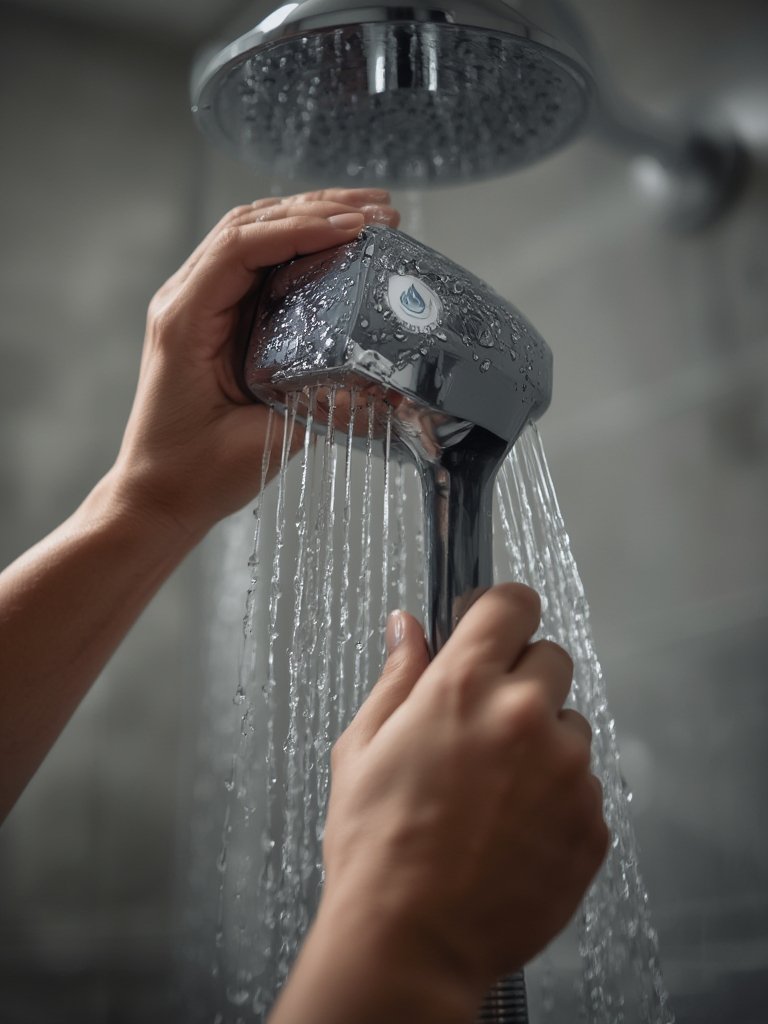
Washable surfaces around new fixtures prevent damage when replacing or removing plumbing. Consider installing a washable rug in the workspace for both floor protection and slip reduction. This saves cleanup time and keeps your upgrade area safe throughout the project.
If you are in a compact space, pairing a bathroom retrofit with a ventless washer dryer installation can efficiently modernize your home, maximizing both water and space savings in small apartments or townhomes.
Advanced Analysis & Common Pitfalls
Switching to WaterSense fixtures is mostly straightforward, but there are a few real-world considerations:
- Compatibility: Rare in 2024, but some very old homes (pre-1940 plumbing) might have non-standard threads on faucets or unusual toilet footprints. Measure and research before purchasing.
- No Documented User Complaints: No significant performance or installation complaints were found in research (EPA), but always read recent customer reviews before finalizing a purchase.
- Cost & Payback: While purchase and installation costs are not consistently reported in public databases for 2024, typical payback for showerheads and faucets is under two years, and toilets can pay for themselves in less than five—especially with rebates and bill savings.
- Missing Aspects in Top Content: Top search articles often skip advanced conservation strategies like pairing WaterSense fixtures with rainwater systems, full-home verifications, or long-term tracking. Homeowners wanting maximum efficiency should consider these high-impact add-ons.
| Fixture Type | Standard Product | WaterSense Label Requirement | Typical Water Saved (Annual) |
|---|---|---|---|
| Toilet | 3.5 gpf (gallons per flush, old models) |
<1.3 gpf | 16,000+ gallons |
| Showerhead | 2.5 gpm | 2.0 gpm or less | 2,700 gallons |
| Faucet/Aerator | Standard baseline | 20% lower | 700 gallons |
Product performance is strong, and many users find new WaterSense fixtures outperform expectation. Still, be aware that not all fixtures marketed as “low-flow” meet EPA criteria. Always confirm the official WaterSense mark, especially if applying for utility rebates. If you’re comparing upgrades beyond the bath, SPC flooring can also boost home durability without added water risk; check this SPC flooring durability guide.
Conclusion
WaterSense fixtures are a realistic, high-return upgrade for homes looking to cut water waste, trim bills, and participate in rebates or incentive programs. Installation is typically straightforward, and there are no major pitfalls in modern bathrooms according to current research. By making the switch, you position your home for long-term savings in both money and resources.
To multiply your household efficiency, consider pairing WaterSense fixtures with other energy and water-saving solutions. Check out our in-depth guides to heat pump water heaters and energy-smart laundry for a full eco-home transformation. Ready to start saving? Research local rebates now or contact your water provider for the latest offers.
FAQ
How much water can I expect to save by switching to WaterSense fixtures?
Most homes save thousands of gallons per year—around 2,700 from a WaterSense showerhead, up to 16,000 from a WaterSense toilet, and about 700 from each bathroom faucet with a WaterSense aerator. Savings may be higher for large families or homes with multiple fixtures.
Are there any rebates or incentives for WaterSense fixtures in 2024?
Yes, many local utilities and water districts offer rebates for WaterSense labeled toilets, showerheads, and irrigation controls. Home Depot and other retailers frequently provide instant discounts. There are no current federal tax credits for these upgrades in 2024.
Will WaterSense fixtures fit in my older bathroom?
In most cases, yes. Modern WaterSense fixtures are designed for standard compatibility. Only rare, older homes with unusual plumbing may require minor adapters or extra steps. Always check rough-in and threading sizes before purchasing.
Do WaterSense labeled fixtures sacrifice performance?
No. WaterSense products must pass strict efficiency and performance tests set by the EPA. They deliver equivalent or better user experience compared to standard models.
Can I install WaterSense fixtures myself?
Showerheads and faucet aerators are usually simple DIY projects. Toilets can be a moderate DIY project if you’re comfortable with plumbing basics—otherwise hire a certified plumber to avoid leaks or floor damage.