

Ventless Washer Dryer units have become the go-to option for urban apartments and small homes, combining laundry convenience with true energy savings in a single, compact package.
Key Takeaways
- ventless washer dryer combos, especially those with heat pump technology, save up to 60% energy and are an ideal fit for apartments without exterior venting.
- Despite their space advantages, these units may have longer drying times and potential installation or maintenance questions.
- Topics like water usage, real drying times, and indoor humidity management are often overlooked but matter for real-world use.
- 1. The Core Concept
- 2. Step-by-Step Guide
- 3. Advanced Analysis & Common Pitfalls
- 4. Conclusion
- 5. FAQ
The Core Concept
Ventless washer dryer units are all-in-one laundry solutions that clean and dry clothes in a single drum—without requiring a traditional exterior vent. These appliances are designed specifically for apartments, condos, or homes where running new ductwork isn’t feasible. Instead of dumping hot, moist air outside, they either use condenser technology to extract and collect moisture, or highly efficient heat pump technology systems to recycle and cool the air within the unit.
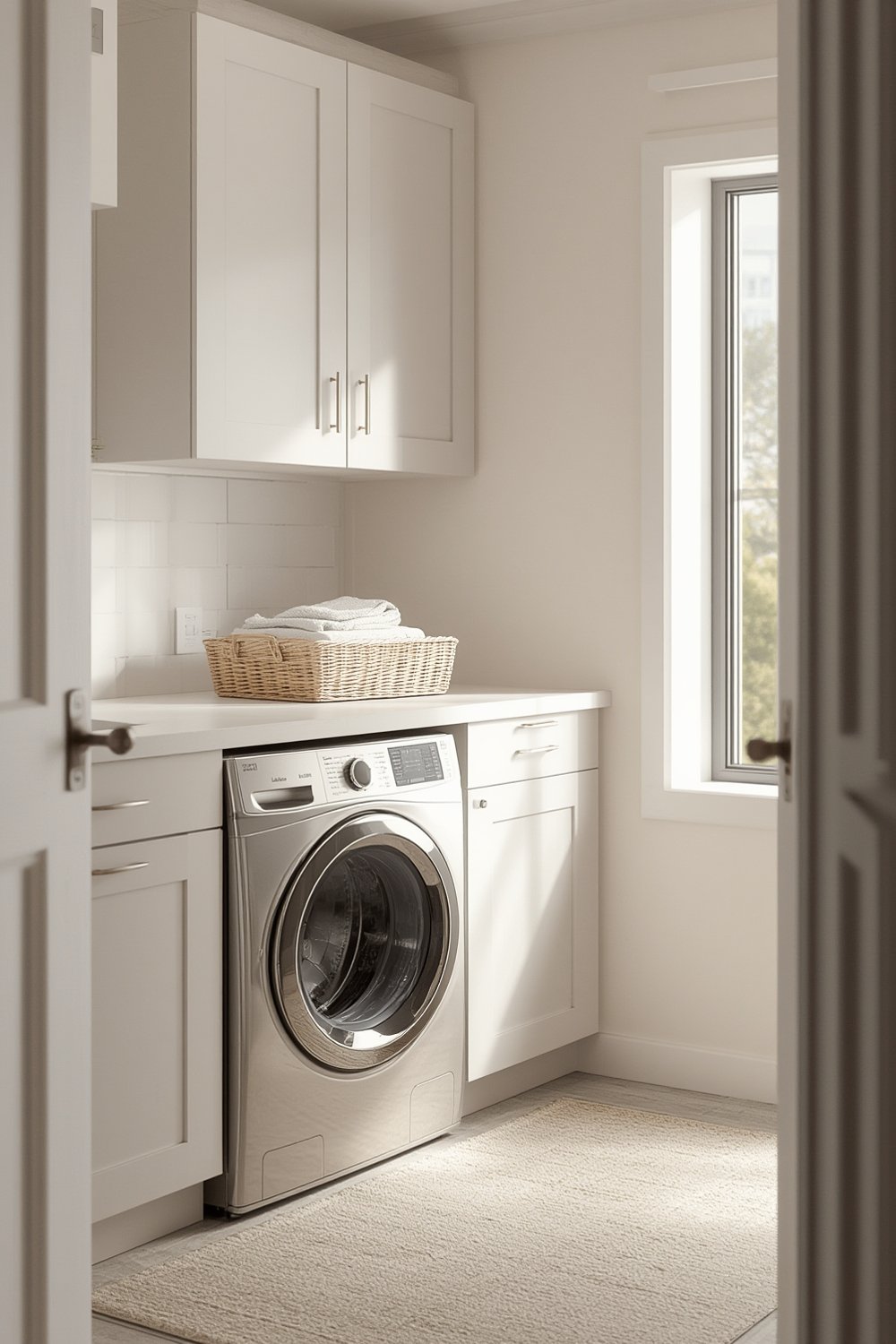
Demand for ventless washer dryer combos is booming in urban areas worldwide. In 2024, the global ventless heat pump dryer market reached USD 5.4 billion, with markets in China, India, and the US growing rapidly due to space constraints and energy incentives. New models such as the LG WashCombo use inverter heat pump technology to use up to 60% less energy than vented dryers, translating to savings of up to 637 kWh per year for consumers.
Because ventless models don’t require outdoor ventilation, they provide genuine flexibility for renters, tiny homes, or any location where venting is either cost prohibitive or structurally impossible.
Step-by-Step Guide
Ready to bring a ventless washer dryer into your apartment or home? Here’s how to make an informed purchase and set up your combo efficiently:
- Identify Your Needs:
Assess your laundry habits. Most ventless combos are designed for small to medium loads, with typical drum capacities ranging from about 2.5 to 5.0 cu. ft. Be realistic about the size you need, especially if you do laundry frequently. - Research Product Types:
You’ll choose between condenser models and more efficient heat pump models. Heat pump options, while often pricier upfront, offer significantly reduced energy costs (saving 499-637 kWh each year) and are ideal for frequent users or energy-conscious households. - Examine Power and Water Requirements:
Most ventless units plug into a standard 120V or 240V outlet. Ensure that your apartment can handle the electrical load, and check the water drain location. Since no vent is required, units are generally installed near your kitchen or bathroom plumbing. - Check for Manufacturer Details:
Review official installation and maintenance guides. Units such as the LG 2024 5.0 cu. ft. WashCombo complete a wash and dry in under two hours and have minimal installation needs. However, always confirm specs and footprint directly from the manufacturer. - Prepare the Space:
Clear the installation area, ensuring nothing blocks airflow around the machine. Some models may require access panels for maintenance tasks. For tips on optimizing tight home or apartment spaces, check out our article on efficient space planning. - Install and Test:
Follow the manufacturer’s setup instructions carefully. After connection, run a test cycle. Monitor the first few loads for water leaks, unusual sounds, or unexpected drying durations.
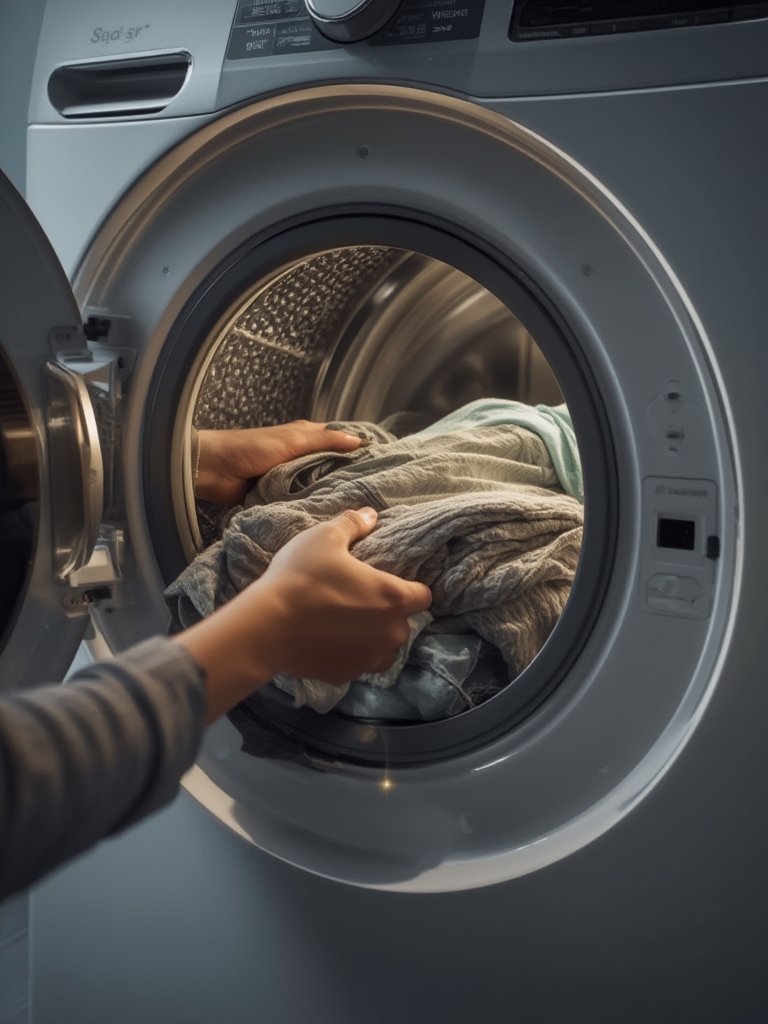
Remember to review user manuals for ongoing care. For tenants, always get landlord approval and consider portability if your lease is short-term. For further details on household installations, our post on practical utility connections gives helpful guidelines, especially in multi-unit buildings.
Advanced Analysis & Common Pitfalls
Ventless washer dryer combos offer major flexibility and energy savings, but there are trade-offs and realistic challenges to consider:
- Longer Drying Times: Compared to traditional vented dryers, ventless units—especially condenser models—may have significantly longer cycles, sometimes well over two hours for a full load. While some advanced heat pump models complete cycles in under two hours, larger or bulkier loads can take longer.
- Limited Capacity: Most all-in-one ventless combos have smaller drums, making them best for smaller households or frequent, smaller loads. Overloading can lead to under-dried results or increased wrinkling.
- Moisture and Indoor Humidity: Some users notice a slight increase in laundry room humidity with condenser dryers if drainage hoses aren’t properly secured, but heat pump models are far less likely to cause this issue.
- Maintenance Needs: Regularly cleaning lint filters, condenser coils, and water reservoirs is essential. Ignoring maintenance can reduce efficiency and even shorten unit lifespan.
- Repair Costs: Repair data is scarce, but the integration of both washer and dryer may lead to higher repair costs if a major component fails.
| Feature | Vented Dryer | Condenser Dryer | Heat Pump Dryer |
|---|---|---|---|
| Energy Consumption | High | Moderate | Lowest (499-637 kWh/year savings) |
| Drying Time | Fast | Moderate to Slow | Moderate (some as fast as 2 hrs) |
| Indoor Humidity | None (vents outdoors) | Low-Moderate | Low |
| Installation | Venting Required | No Vent Needed | No Vent Needed |
| Noise Level | Moderate | Moderate | Lowest (on some models) |
| Water Usage | None | Uses water for condensation | Minimal |
Other often-missed considerations:
- Cycle customization and control options may be limited on basic models.
- Water usage might be higher for condensation drying compared to vented dryers—yet still relatively low overall.
- Exact long-term costs are hard to predict due to limited independent longevity and repair data.
If you’re exploring broader home efficiency upgrades, see our analysis on energy-saving appliances for small spaces.
Conclusion
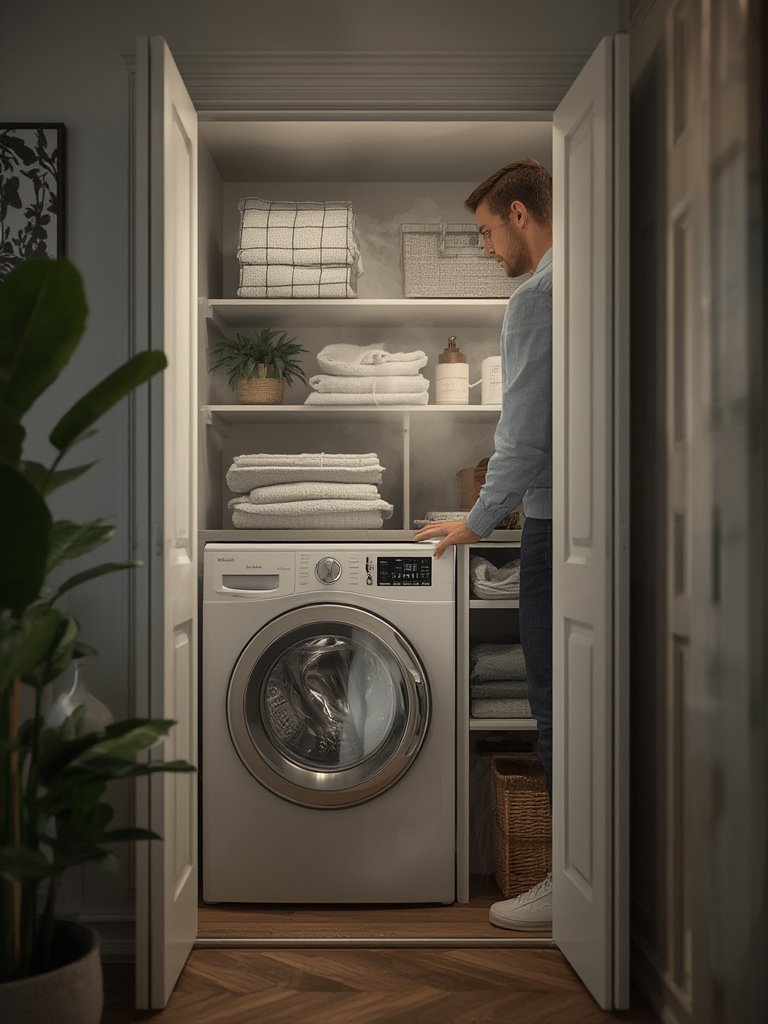
For city dwellers and renters, the ventless washer dryer is a practical, energy-smart solution—delivering both laundry convenience and flexible installation without an exterior vent. Still, you must weigh the benefits of energy savings and apartment flexibility against longer drying times, size limits, and potential maintenance factors.
Ready to optimize your small space? Compare ventless washer dryer options, measure your laundry area carefully, and check reviews for real-world performance. For those upgrading their laundry setup, be sure to visit our article on planning and maximizing laundry room layouts for more actionable tips!
FAQ
Can a ventless washer dryer be installed anywhere?
Yes, as long as you have a standard water supply and a drain nearby. No external venting is needed, making them ideal for apartments or homes without vent access.
Are ventless washer dryers more expensive to operate than vented units?
No, most heat pump ventless combos use 499-637 kWh less energy per year compared to vented models, resulting in real utility savings.
How do ventless units manage moisture and humidity indoors?
They collect or condense moisture into a tank or directly drain it away. Correct installation is key to prevent any humidity issues in your laundry space.
What is the main downside of ventless washer dryers?
The primary drawback is longer drying times—especially for large or bulky loads—plus limited maximum capacity and the need for regular maintenance.
Do ventless washer dryers damage clothes?
Modern heat pump models dry at lower temperatures, which is gentler on fabrics compared to many vented dryers. Still, avoid overloading for best results.