

SPC Flooring is changing the way homeowners and builders think about durable, waterproof surfaces. If you are comparing SPC flooring to carpet, laminate, or hardwood, it’s vital to know the real pros, cons, and what’s missing from today’s top-ranking articles.
Key Takeaways
- SPC flooring prices fell to their lowest level since 2020, making them directly competitive with laminate and other alternatives.
- Noise reduction is a major concern when replacing carpet with SPC flooring, but most articles ignore this challenge entirely.
- Persistent user complaints focus on the failure of low-cost, thin SPC products, especially from certain imports—making product quality crucial.
- What Is SPC Flooring and Why It Matters
- How to Select, Install and Maintain SPC Flooring
- Advanced SPC Flooring Analysis & Common Pitfalls
- Conclusion
- FAQ
What Is SPC Flooring and Why It Matters
SPC flooring stands for Stone Plastic Composite flooring. It’s a multilayer rigid core vinyl solution, built with a core of limestone and plastic. Why does this matter? The result is a floor that is truly waterproof, remarkably durable against dents and scratches, and competitively priced compared to hardwood or carpet alternatives. The secret behind SPC flooring’s surge in popularity is its cost-effectiveness and resilience, especially in busy residential or light commercial spaces where water resistance and low maintenance are critical.
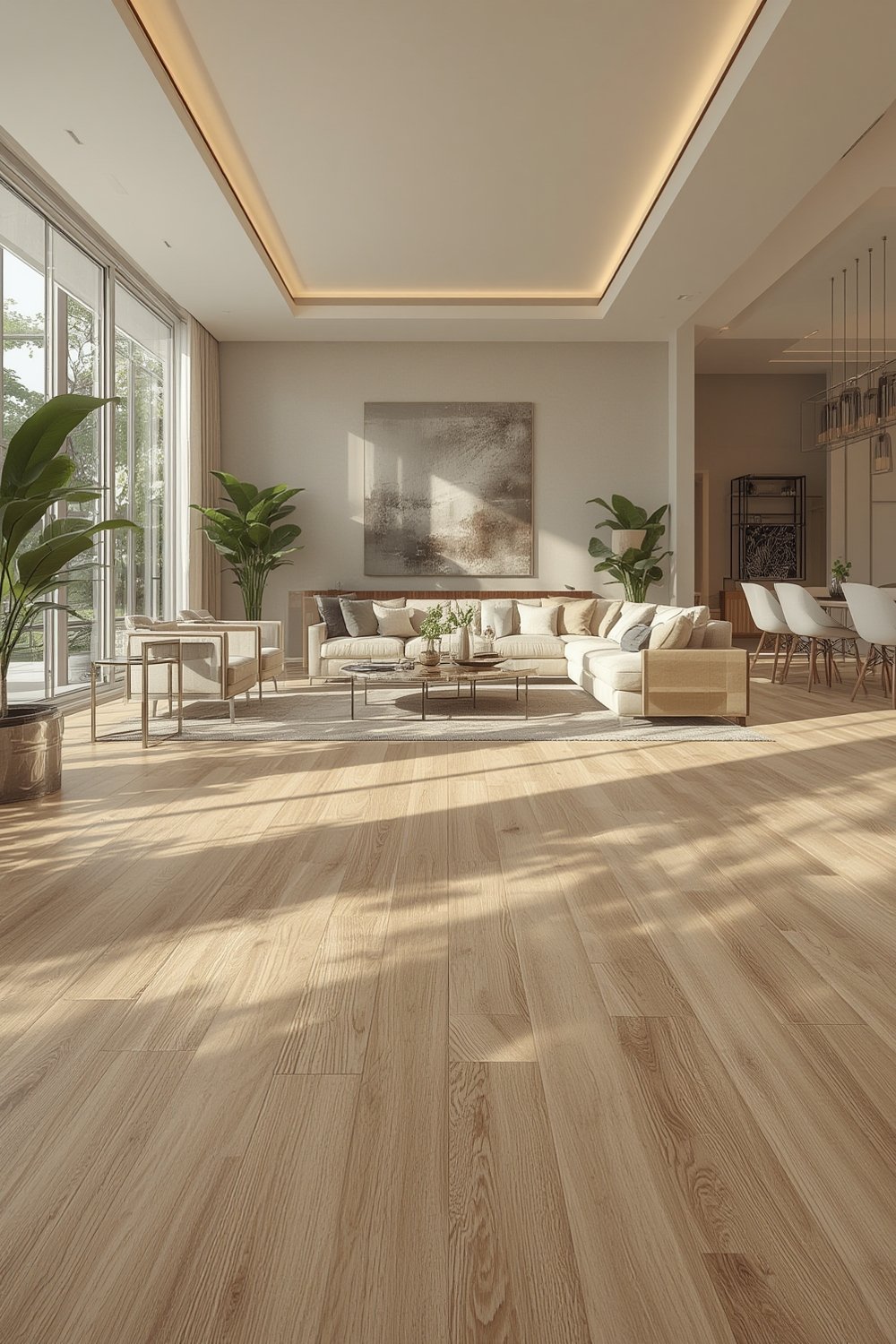
The SPC market has shifted rapidly; average prices dropped from $1.68 to $1.60 per square foot in 2024, according to industry stats. That’s a return to price points not seen since before the pandemic supply crunch. Still, lower pricing doesn’t always mean better value—reports have exposed widespread failures with ultra-cheap, thin SPC products, especially those imported from Asia. What keeps SPC flooring in the race is its unique mix of realistic wood looks, dimensional stability, and 100% waterproof promise—a set of advantages hard to rival in the price bracket.
LVP flooring (Luxury Vinyl Plank) and WPC flooring (Wood Plastic Composite) round out the other major rigid flooring options. Both share some similarities but differ in composition and sometimes in performance, especially around water resistance and scratch durability. For deeper analysis, see how these choices align with durability-focused flooring trends.
How to Select, Install and Maintain SPC Flooring
Choosing the right SPC flooring (and making it last) is about more than just picking a color or wood grain. Here’s a precise, actionable walkthrough:
- Identify Your Priorities
- Do pets or children create daily wear-and-tear? Opt for higher wear layers and stronger locking edges.
- If waterproofing against pet accidents or kitchen spills is crucial, verify the warranty claims (many products offer lifetime waterproof protection, but not all warranties are equal).
- Is minimizing sound transfer important? SPC floors transmit more impact noise than carpet and most vinyl, so budget for quality underlayment. Visit our resources on acoustics for more, such as impact noise options.
- Select Wisely
- Avoid the cheapest (especially ultra-thin) imports, which have a higher failure rate. Look for products carrying North American certifications.
- Check for a pronounced wear layer (20 mil recommended for active homes). Ask for test results on stain, scratch, and moisture resistance, if available.
- Confirm lock system design—thicker, more robust mechanisms are less likely to fail at seams.
- Prepare the Subfloor
- Ensure your base is flat and debris-free. Subfloor irregularities can telegraph through rigid cores.
- Don’t skip a vapor barrier where moisture may be present (basements, concrete slabs).
- If sound reduction is a priority, install an acoustic underlayment—even if it’s not specified. It’s a proven way to avoid post-installation regrets.
- DIY or Pro Installation?
- DIY click-lock installs are possible, but product-specific quirks mean you must read the instructions (or pay a professional for faster, cleaner results).
- Check if your region requires a certified installer for warranty coverage.
- Immediate and Long-term Maintenance
- SPC floors are famously easy to clean (sweep, damp mop, done).
- Avoid bleach or harsh abrasives; stick with pH-neutral cleaners.
- Check with your supplier for specifics, as some finishes perform better than others with commercial-grade cleaners.
- See our maintenance checklist for modern flooring for more tips.
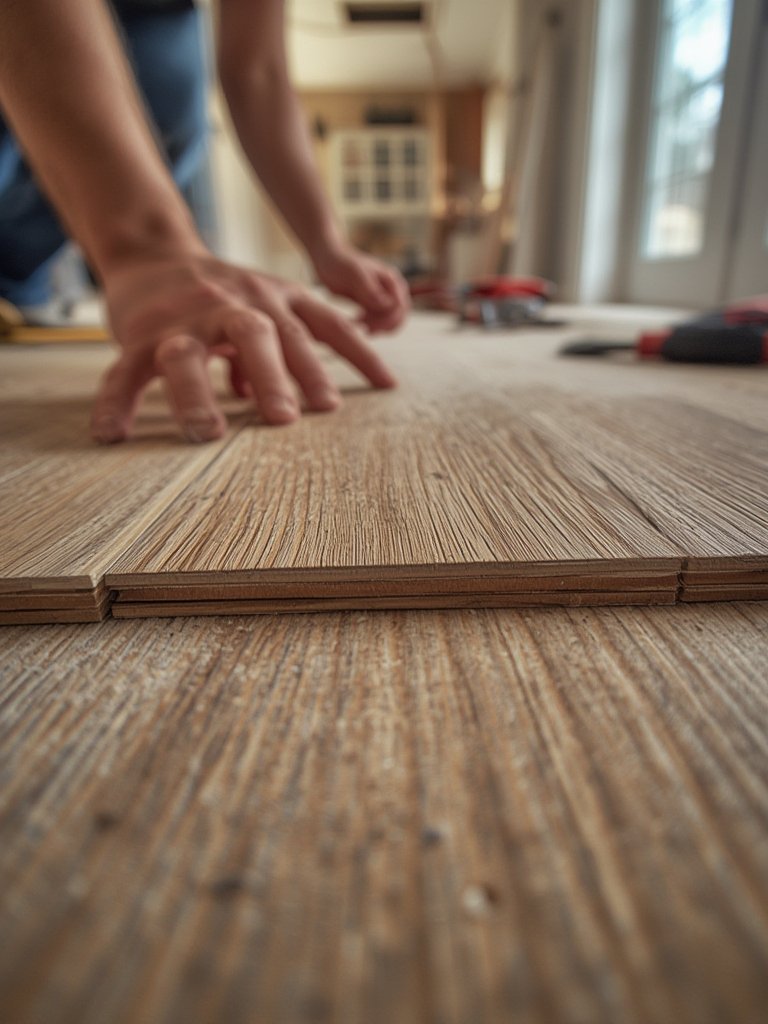
This process closes the gap between typical sales claims and real-life success with SPC flooring. For multi-unit buildings or sensitive spaces, don’t underestimate the role of acoustic underlayment and professional installation—small choices here mean big differences in satisfaction.
Advanced SPC Flooring Analysis & Common Pitfalls
The explosion of SPC flooring choices brings innovation—but also serious risks. If you want your project to last, watch for these honest, data-backed pitfalls:
| Criteria | SPC Flooring | Laminate | Hardwood | WPC Flooring |
|---|---|---|---|---|
| Average 2024 Price (per sq ft) | $1.60 [1] | ~$1.60 [1] | $2.70 (avg market est.) | $2.48 [1] |
| Waterproofing | True waterproof—core & top layer | Only water-resistant, not fully waterproof | Not waterproof | Waterproof core |
| Acoustic/Noise Reduction | Poor without underlayment (no reliable data) | Poor without underlayment | Excellent (with rug/carpet) | Poor without underlayment |
| User Complaints (Top Issue) | Product failure in thin, cheap versions [3] | Scratching, water damage | Dents/scratches, higher cost | Edge curling in lower-cost WPC |
| Noise Issues When Replacing Carpet | Important concern—almost always louder (missing from most articles) | Louder than carpet | Depends on installation & area rugs | Louder without underlayment |
Missing data on installation costs, acoustic test results, and lifespan are shocking gaps in most online guides. If you want real-world results, prioritize third-party lab test certificates (for wear layer and acoustic rating), not just retail marketing.
Many top-ranking articles overlook critical performance downsides—especially how much noise is transmitted when replacing soft carpet with any rigid floor. If you want deep-dive maintenance or installation checklists, see our guides (like proper flooring care and product selection).
Conclusion
SPC flooring isn’t perfect—but for those seeking a waterproof, durable, affordable surface, it stands out for kitchens, basements, and high-traffic homes. Most drawbacks arise with the cheapest or thinnest planks, especially in noise-prone areas or where subfloor prep is ignored. If you’re prepared to address these real-world issues—and seek out SPC with proven wear layers and proper underlayment—your investment pays off for years.
Ready to compare brands, underlayments, and installation options? Arm yourself with the latest SPC flooring data so you avoid the mistakes most homeowners still make. Start with trustworthy suppliers, ask for acoustic and wear test reports, and explore our home efficiency resources for more insights across renovation projects.
FAQ
Is SPC flooring more durable than laminate or hardwood?
SPC flooring is generally more waterproof and scratch-resistant than standard laminate. It’s less prone to expansion and contraction than hardwood. However, ultra-thin, cheap SPC planks can fail sooner, especially under heavy loads or repeated impact.
Does SPC flooring reduce noise as well as carpet?
No—one of the main drawbacks of switching from carpet to SPC flooring is increased impact noise. To minimize this, invest in quality acoustic underlayment or area rugs in living spaces.
What is the main user complaint about SPC flooring?
The most persistent complaint is product failure in low-cost, ultra-thin SPC (particularly among certain imports). These failures typically involve locking system breakdown or visible wear after limited use.
How do I maintain SPC flooring?
Sweep and damp mop regularly. Use pH-neutral cleaners and avoid abrasive scrubbers. For the best results, confirm your brand’s maintenance guidelines, and don’t use bleach or strong solvents.
Are there industry certifications for SPC flooring quality?
Major manufacturers often test for wear, stain, and moisture resistance, but public certification standards (like ASTM for wear or ISO for acoustics) are not always disclosed in retail product info. Ask for documentation before you purchase.