

Heat Pump Water Heater technology is quietly changing how homes use energy by slashing utility bills and dramatically improving efficiency for water heating—all while fitting into the space traditional tanks occupy. Here’s what you really need to know before making the switch and how to avoid common mistakes that could waste your investment.
Key Takeaways
- Heat pump water heaters cut energy use by up to 60 percent compared to standard electrics, with $300 to $550 yearly savings for a family of four.
- Upfront cost is higher but payback is rapid thanks to rebates and lower utility bills—especially when installed correctly in climate-appropriate areas.
- Biggest pitfalls are overlooked climate effects, improper sizing, and skipped installation requirements; don’t expect endless hot water like you’d get from tankless or large electric models.
- What Is a Heat Pump Water Heater and Why Consider One?
- How to Upgrade and Maximize Your Savings
- Advanced Analysis: Realistic Problems and How to Dodge Them
- Summary & Next Steps
- FAQ
What Is a Heat Pump Water Heater and Why Consider One?
A heat pump water heater (HPWH) is an electric tank-style system that, instead of creating heat directly, moves warmth from surrounding air into water using a small compressor and refrigerant—similar to how a fridge works in reverse. The result is a system that achieves Uniform Energy Factor (UEF) ratings of 3.5 to 4.0, compared to 0.90 to 0.95 for standard electric storage tanks. In plain English, that means it provides the same hot water for as little as a third of the energy, slashing your utility costs and carbon footprint.
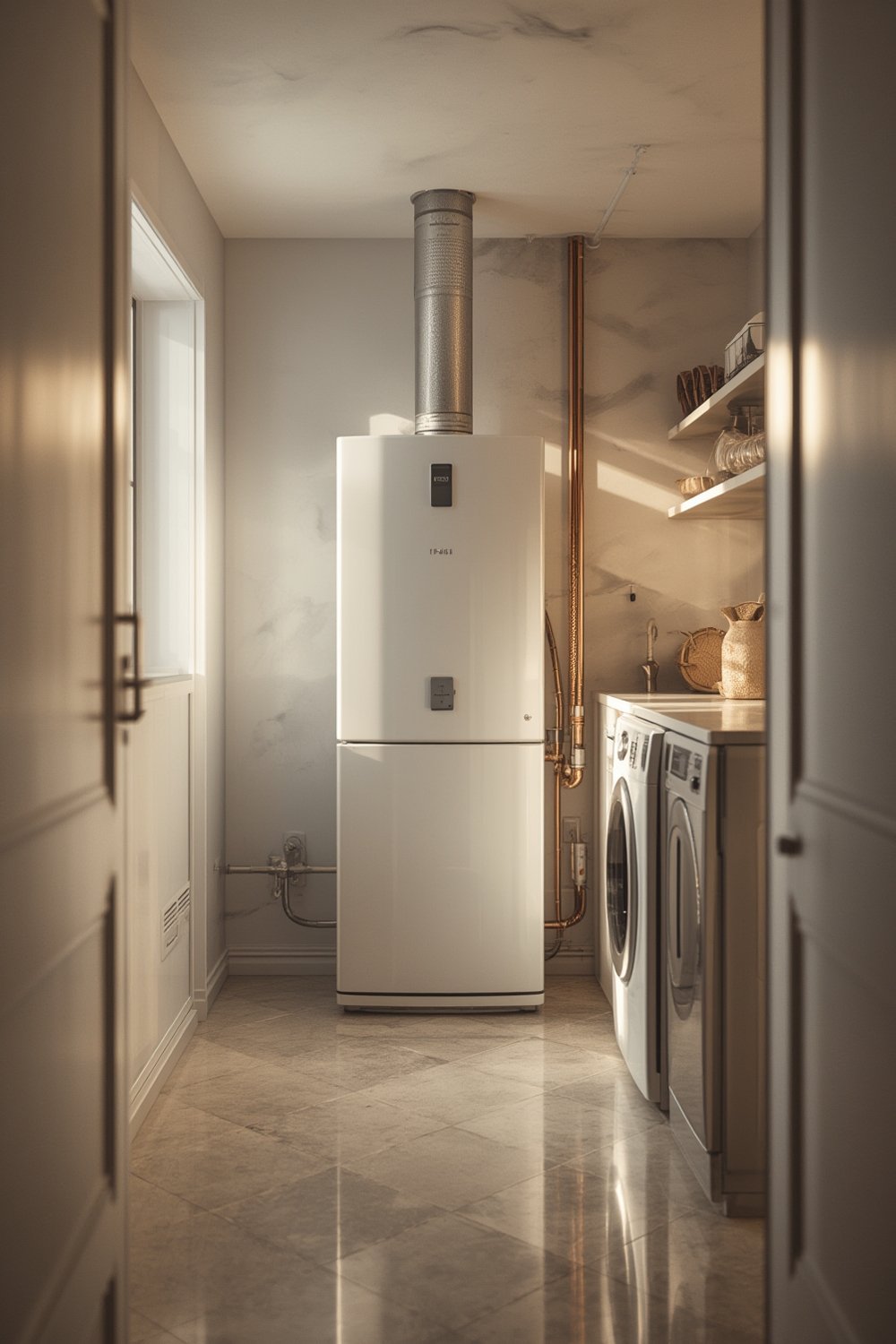
For homeowners, this upgrade can mean $300 to $550 in energy savings each year—typically $5600+ over a unit’s lifetime. According to a comprehensive HPWH comparison, the tech is at least 2 to 3.5 times more efficient than old-school systems and over 60 percent more frugal with power than even modern electric tankless heaters. That’s why Energy Star-certified models like those from leading brand Rheem are surging in popularity.
How to Upgrade and Maximize Your Savings
Switching to a heat pump water heater isn’t plug-and-play for every household—but the process can be straightforward and low-stress if you take the right steps:
- Check your space and climate first. HPWHs require a bit more room—about the same as a traditional tank—and work best in areas that stay above 40-45°F year-round.
- Shop Energy Star models with a UEF above 3.2, like top Rheem units, for maximal efficiency and rebate eligibility.
- Research all local and federal incentives. Energy Star HPWHs often qualify for generous tax credits (up to 30 percent) and regional rebates. Your power provider or state site will have details.
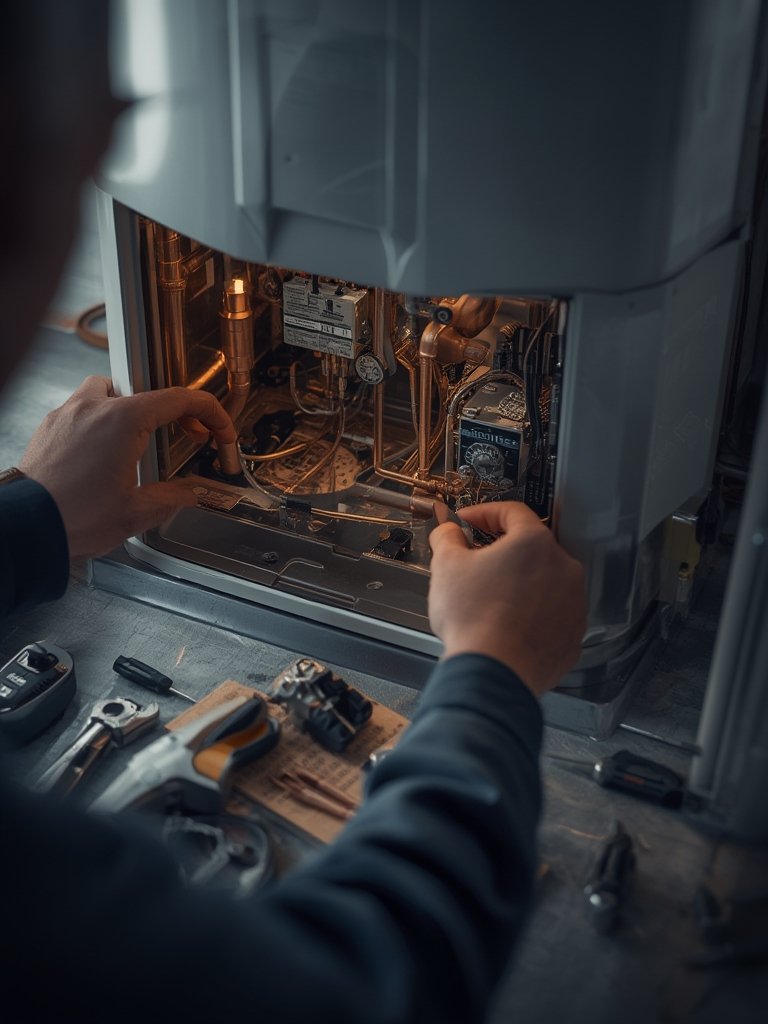
- Plan your installation. Use a contractor experienced with HPWHs. Improper placement (e.g. in too-cold garages or closets) will slash efficiency and void warranties.
- Size for demand, not just tank dimension. For families, make sure your model keeps up with daily showers, laundry, and dishes—a common pain point for HPWH owners who undersize. Check recovery rate as well.
- Register for warranty and track maintenance. Basic filter cleaning and annual checks are all that’s required, but missing these steps can affect long-term performance.
- Monitor and optimize. Use built-in control panels to track usage and adjust modes to avoid unnecessary high-heat (backup resistance) cycles outside peak demand.
To further improve your home’s efficiency, explore other space-saving and eco-friendly upgrades. For instance, many readers who invest in a HPWH also consider ventless washer dryers to optimize laundry room space or SPC flooring for a more durable, waterproof surface in high-moisture areas. These upgrades work well together for a modern, low-carbon renovation.
Advanced Analysis: Realistic Problems and How to Dodge Them
While heat pump water heaters score high for savings, they’re not magic. Here’s what trips homeowners up most and what’s rarely discussed in mainstream guides:
| Issue | HPWH (Heat Pump Water Heater) | Standard Electric | Electric Tankless |
|---|---|---|---|
| Reheat Speed | Slower (may run out during heavy use) | Moderate-fast | Continuous on-demand |
| Climate Sensitivity | Efficiency drops in cold rooms/seasons | No difference | No difference |
| Space Needs | Similar to tank, needs more air volume | Standard tank footprint | Most compact |
| Noise Level | Low hum from compressor | Silent | Silent |
| Cost | Highest upfront, lowest lifetime | Lowest upfront, highest lifetime | Mid-high upfront & lifetime |
| Rebates & Credits | Yes, broad eligibility (see Energy Star guide) | Few or none | Few or none |
| Integration with HVAC | Rarely addressed, possible with advanced models | Not applicable | Not applicable |
- Oversizing expectations: HPWHs can’t deliver endless hot water for large families like a big tankless. Double-check sizing calculators.
- Cold climate installations: Efficiency drops sharply in rooms below 40-45°F. If your garage or basement gets cold, consider supplemental heating or placement in a warmer part of the home. Most competitor articles only mention this in passing—few offer actionable solutions.
- Lack of combined system planning: Almost no guides discuss how a HPWH could be integrated with existing heat pump HVAC—an area ripe for innovative contractors. If you have a modern heat pump system, ask vendors about future hybrid solutions.
- Long-term sustainability: HPWHs offer huge energy and carbon savings but very little is published on durability or end-of-life recycling. Expect a typical lifespan of 10-15 years, slightly less than extremely basic tank electrics but with much lower total emissions. For more insights, see recent discussions about washable rug sustainability and sound-dampening upgrades for green homes.
- Missed rebate requirements: Federal, state, and utility incentives change regularly. Eligibility almost always requires Energy Star certification and, sometimes, documented installation by a certified professional. For the full rebate and tax credit breakdown, check Energy Star and your local utility’s site or see this rebate reference.
Summary & Next Steps
If your goal is to lower utility bills and carbon footprint, a heat pump water heater offers real, proven results—especially for families or homes with a high hot water demand in mild-to-warm climates. But don’t overlook sizing, placement, or local rebate requirements. Carefully planned upgrades can repay their cost in as little as three to five years or less, followed by savings for an entire decade or more. Ready to discover if a Heat Pump Water Heater is right for your home? Compare Energy Star models, look up current rebates, and get a quote from a qualified installer today.
FAQ
How much space does a heat pump water heater need?
Most models require at least 700-1000 cubic feet of air space and a ceiling height of over 7 feet to operate efficiently. They generally fit in the same footprint as a standard tank but need extra clearance for airflow around the unit.
Can heat pump water heaters be installed in garages or cold climates?
Yes, but with caveats. If the ambient temperature falls below 40°F regularly, efficiency drops. Supplemental heating or choosing a better location indoors is highly recommended.
What maintenance is needed on a heat pump water heater?
The main tasks are annual filter cleaning (to prevent dust buildup) and a basic check of the drain pan and connections. The refrigerant circuit is sealed and typically maintenance-free over the system’s lifespan.
How long does it take for a heat pump water heater to pay for itself?
With typical energy savings of $300-$550 per year and available rebates, most homeowners achieve payback in 3 to 5 years. Larger families may see even faster returns depending on hot water use.
Does switching to a HPWH mean giving up endless hot water?
Not necessarily. While recovery speed is slower than tankless systems, properly sized tanks can handle normal demand. Use “high-demand” settings sparingly for events like back-to-back showers.