

### Blog Post:
EV charger installation is quickly becoming a must-have upgrade for homeowners driving electric vehicles, but the process often brings confusion about costs, wiring upgrades, safety codes, and rebates. If you want a practical, stress-free approach, you’re in the right place. This guide strips away wishful thinking and delivers clear facts based on real 2024 cost data, actionable steps, and expert pitfalls to avoid as you plan your Level 2 charger installation.
Key Takeaways
- Expect to spend $1,000–$3,500 for a standard Level 2 charger installation, with price swings based on region, wiring, and weatherproofing needs.
- Electrical panel upgrades can quickly add $650–$2,000 if your home’s service is undersized—assess this before you start.
- Current rebates and incentives can offset costs, but programs change by region and aren’t always well-advertised, so do your homework.
- What is EV Charger Installation and Why Does It Matter?
- Step-by-Step Guide: How to Install a Level 2 EV Charger at Home
- Advanced Analysis & Common Pitfalls
- Conclusion
- Frequently Asked Questions
What is EV Charger Installation and Why Does It Matter?
EV charger installation refers to the process of setting up a Level 2 charging station at your home, allowing you to charge your electric vehicle (EV) five to seven times faster than a regular 120V outlet. Most EV owners eventually upgrade to Level 2, which uses a 240-volt circuit, so daily charging fits your routine and removes “range anxiety.”
With the growing adoption of electric vehicles, installing a dedicated home charging solution is one of the smartest ways to gain convenience, efficiency, and future-proof your property. However, the actual process—costs, permits, possible home wiring or panel upgrades, incentive eligibility—often surprises homeowners. A clear, actionable understanding helps you avoid expensive errors and disappointments.
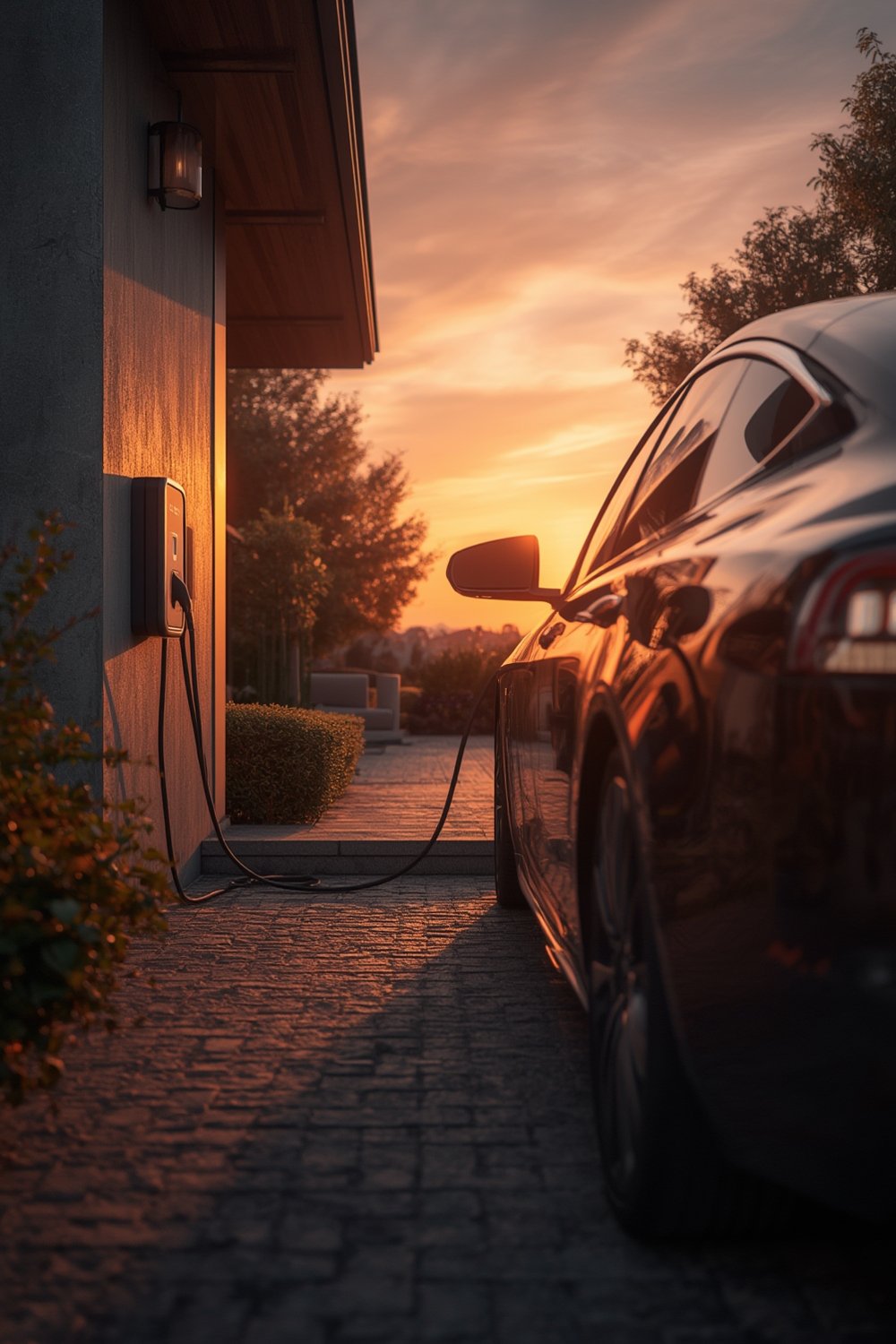
Installation costs depend on several factors. Nationally, most homeowners pay between $1,000 and $3,500 for a standard Level 2 charger installation, typically around $1,700 [source] [source]. Garage installs are less complicated and cheaper than outdoor ones requiring extra weatherproofing needs ($800–$2,500) [source]. In Los Angeles, prices fall slightly lower ($700–$2,000), but figures can rise fast if your electrical panel needs an upgrade.
Knowing how each cost component affects your budget—and that incentives exist but require some research—will help you plan smarter and avoid frustration.
Check out how heat pump water heaters offer similar long-term savings in home energy upgrades.
Step-by-Step Guide: How to Install a Level 2 EV Charger at Home
Here is a direct, no-nonsense guide to the steps required for a safe and code-compliant Level 2 charger installation:
-
Check Your Electrical Panel Capacity:
Open your main service panel and look for available breaker slots. Level 2 chargers require a 240V circuit at 30–50 amps. If your panel is full or undersized (less than 100 amps total), you may need an upgrade, which can add $650–$2,000 to your project. -
Choose the Right Charger:
Options range from plug-in models (if you already have a 240V outlet) to hardwired units. Prices: $300–$1,999 [source]. Consider cable length, weather rating (for outdoor installs), app features, and vehicle compatibility. Top brands include Tesla Wall Connector ($450+) and Grizzl-E ($400). -
Hire a Licensed Electrician and Secure Permits:
Never skip this. Permits (usually $50–$300) ensure work meets safety codes and can be key for future home sales. A professional will verify load calculations and route wiring correctly—a must for insurance and code compliance. -
Get a Written Estimate:
Request a detailed quote: charger cost, labor, permits, wiring, and contingency for possible panel or subpanel upgrade. Installation and labor alone typically runs $500–$1,500 [source]. -
Schedule Installation:
After permit approval, your electrician will install wiring, circuits, and necessary safety hardware (GFCI breaker for most hardwired units per 2024 code). For plug-in chargers, installation is faster if the outlet already exists. -
Inspection and Testing:
Your local inspector checks the work for compliance. Once passed, test your charger with your EV, and walk through all smart features and settings. -
Research and Apply for Rebates:
Some regions and utilities offer rebates ($250–$500+), but programs vary widely. Save all invoices and permit documentation—they are usually required for applications.
Keep in mind, installation can often be bundled with other energy-saving home upgrades, such as adding ventless washer dryers for energy savings or heat pump water heaters for hot water, often triggering larger rebate opportunities.
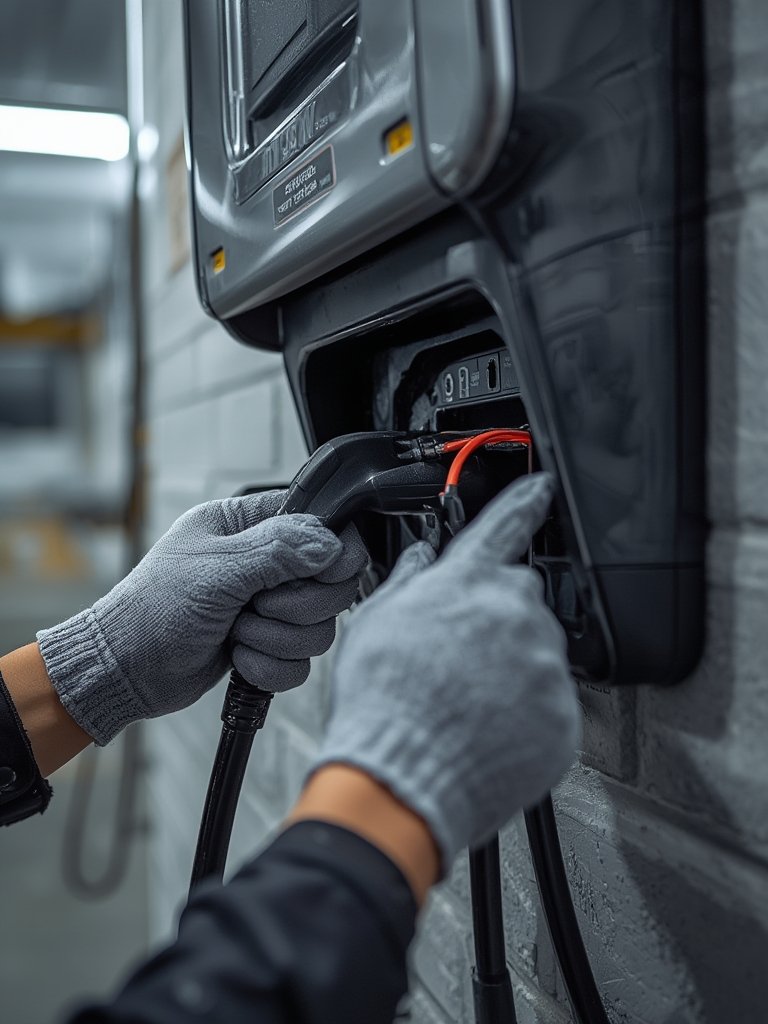
For homeowners on a budget, ask your electrician if a plugged-in charger is feasible; if a compatible outlet is already in place, your cost may be as low as $250–$800 [source]. In all cases, verifying your panel’s amperage before starting can save you time and money.
If you prioritize sound control as part of your garage or parking area upgrade, check out our fluted panel sound dampening guide for effective acoustic solutions.
Advanced Analysis & Common Pitfalls
While EV charger installation appears straightforward, homeowners frequently run into costly or frustrating issues. Here are the most common pitfalls, along with an actionable comparison table for budgeting.
Common Pitfalls
- Underestimating Panel Upgrade Needs: Many homes—especially those built before 2000—do not have sufficient amperage or panel slots, which can halt projects until a panel upgrade is done. Always budget for a $650–$2,000 contingency.
- Skipping the Permit: Bypassing permits leads to rework, failed inspections, and resale headaches. Insurance may deny claims for unpermitted wiring.
- Outdoor Installations and Weatherproofing: Outdoor chargers are exposed to the elements. Not all models have the right weather rating, and cheaping out on waterproof installation can result in electrical hazards.
- Poor Planning of Charger Location: Too-far runs from your panel add material and labor cost. The shorter the distance, the cheaper the job.
- Missing Out on Rebates: Many homeowners miss valuable incentives by not filing the right paperwork or applying on time. Track all receipts and check with your city, utility, and state for current offerings.
Cost Comparison Table: Level 2 Install Price Factors
| Cost Component | Typical Price Range | When This Applies |
|---|---|---|
| Charger Equipment (Level 2) | $300 – $1,999 | All installations; varies by brand & features |
| Installation & Labor | $500 – $1,500+ | New circuit, wiring, safety testing |
| Permitting Fee | $50 – $300 | Required in most jurisdictions |
| Panel or Subpanel Upgrade | $650 – $2,000 | If panel is full/undersized or home is older |
| Outdoor/Weatherproof Installation | $800 – $2,500 | Needed for exposed areas |
| Plugged-In Installation (if 240V outlet exists) | $250 – $800 | If compatible outlet already present |
Potential downsides include wait times for inspection appointments, contractor availability in busy markets, and delays due to permit backlogs. Most installations complete in 1–2 days once scheduling and permits are sorted, but be prepared for longer if panel upgrades or trenching are required.
For more long-term durability and maintenance tips, especially if considering other upgrades like SPC flooring for your garage, doing the work together can sometimes save on labor costs.
Conclusion
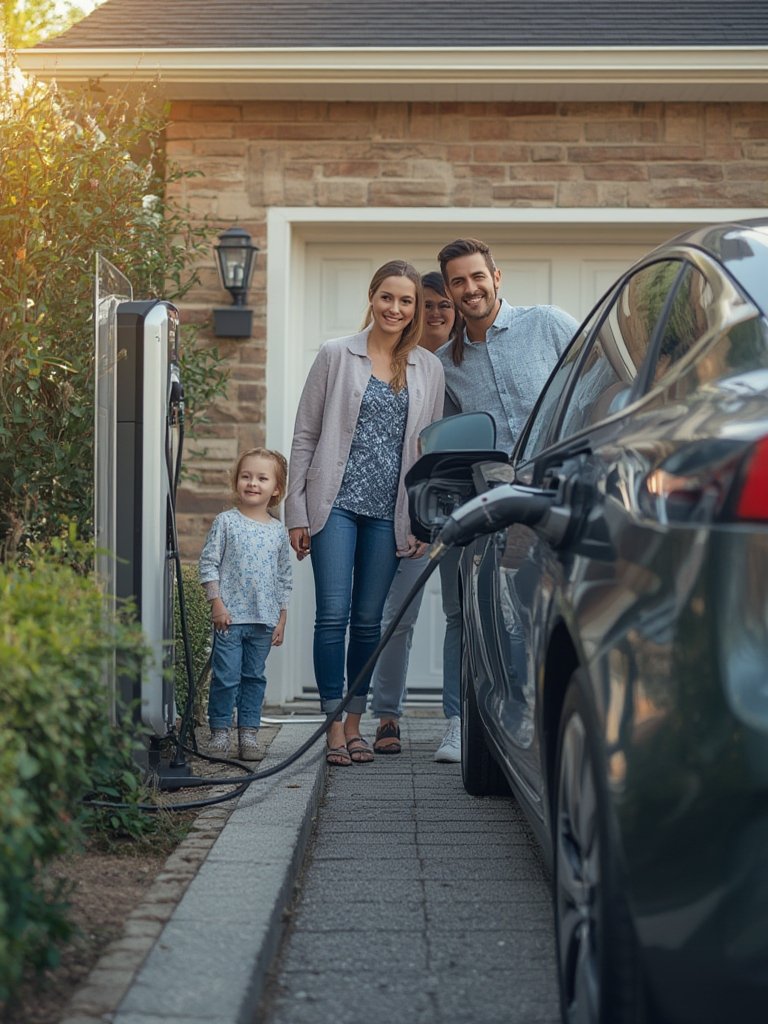
EV charger installation at home is a smart investment that future-proofs your property and provides daily convenience, but it’s not without its surprises and costs. Take time to assess your electrical panel, choose the right charger, and secure all permits for a safe, code-compliant installation. Leverage any regional rebates and plan ahead for potential panel upgrades.
To summarize, standard Level 2 EV charger installation costs range from $1,000 to $3,500—sometimes more if electrical upgrades are needed—but taking a stepwise approach helps avoid expensive mistakes. If you still have questions about your specific EV charger installation situation, reach out to a licensed electrician or your local building department for tailored advice. Planning carefully gives you the best outcome.
Ready to electrify your routine? Call a licensed pro, get your quotes, and start your EV journey on the right circuit—literally.
If you want to maximize floor protection as part of your garage EV charger install, check out our proven guide on washable rugs for floors.
Frequently Asked Questions
How much does Level 2 EV charger installation cost for most homeowners?
Most homeowners pay between $1,000 and $3,500 for a complete Level 2 charger installation, including parts, labor, and permits. Costs swing higher if you need a panel upgrade or choose a high-end charger. Regional prices can be lower—for example, Los Angeles installs often range $700 to $2,000.
Do I need to upgrade my electrical panel for EV charger installation?
About 10–30% of homes may require an electrical service or panel upgrade, especially older properties with lower amperage panels. If your panel is already full or cannot handle the additional load, expect upgrade costs of $650–$2,000. Always verify before starting.
Can I get rebates or incentives to help with the cost?
Yes, many states, utilities, and even federal programs offer rebates or tax credits ranging from $250 to over $1,000, but eligibility and program availability change frequently. Always check current local and federal listings and save all installation documentation to support your application.
How long does a typical residential installation take?
Most standard installs complete in one day once permits and scheduling are lined up. If a panel upgrade or trenching is required, plan for multiple days or longer, especially if waiting on inspections.
Can I install an EV charger outdoors?
Yes, but you’ll need a charger model with proper weatherproofing (NEMA 4 or better rated) and professional installation to meet outdoor electrical codes. Expect extra costs for weather-sealed components and possible trenching if the charger is far from your main panel.