

Cold plunge tub installations have exploded in popularity as homeowners chase the wellness benefits once reserved for high-end spas. But there’s a lot to know before investing. This guide strips away marketing hype and reveals real costs, technical must-knows, and mistakes to avoid—so you get it right the first time.
Key Takeaways
- The residential cold plunge tub market is booming, but installation and upkeep bring hidden complexities.
- Most buyers underestimate costs—true expenses include purchase price, electrical, plumbing, floor reinforcement, and ongoing maintenance.
- Critical pitfalls: skipping technical requirements, ignoring safety, and believing “plug and play” marketing.
- Understanding Cold Plunge Tubs: What & Why
- How to Install a Cold Plunge Tub at Home: Step-by-Step Guide
- Advanced Analysis & Common Pitfalls
- Conclusion: Should You Buy a Cold Plunge Tub?
- Frequently Asked Questions
Understanding Cold Plunge Tubs: What & Why
A cold plunge tub is a specially designed basin or small pool that maintains water at 39-59°F, used for cold-water immersion therapy. Once a niche for athletes, these tubs are now a residential trend as homeowners look for in-home recovery and stress relief solutions. The global market reached between $320.81 million and $746.65 million in 2024, rising fast thanks to wellness priorities and at-home self-care [source]. With North America holding 38.8% of the market and the residential segment projected to grow 7.4% CAGR through 2033, the demand isn’t slowing down [source].
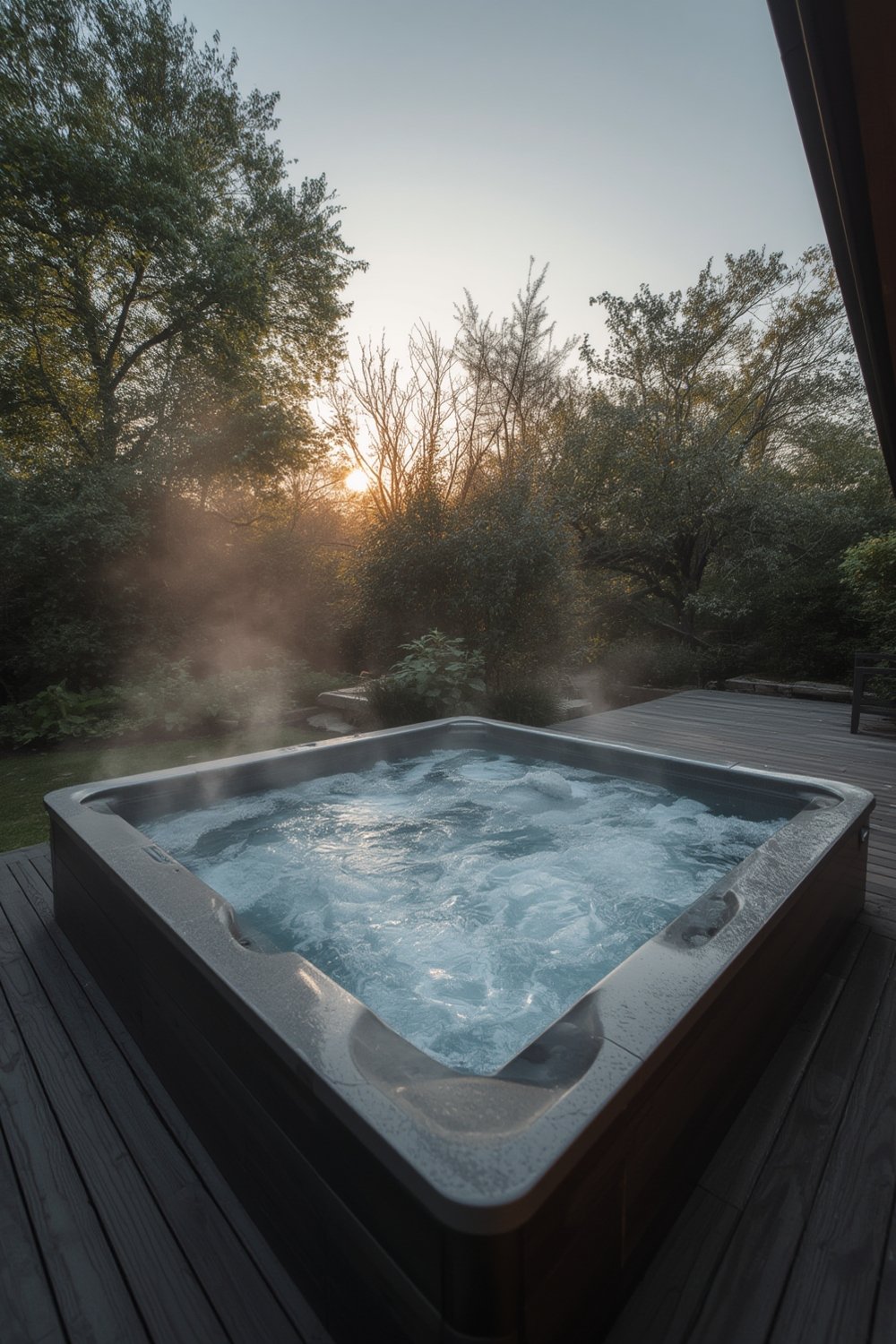
Cold plunges are valued for reducing inflammation, promoting muscle recovery, and supporting mental well-being. But bringing commercial-grade cold therapy into your home introduces complexities that go far beyond just filling a tub with ice.
How to Install a Cold Plunge Tub at Home: Step-by-Step Guide
Most residential cold plunge tubs are not drop-in appliances. Safe, effective installation calls for careful prep, technical know-how, and ongoing diligence. Here’s how to tackle it step by step:
-
Site Assessment and Space Planning
Verify you have enough room. A typical cold plunge tub is 5-7 feet long, 3-5 feet wide. Ensure doors/hallways accommodate tub delivery. Floor load capacity must support 700–1,200 lbs when filled (tub + water + user). -
Plumbing and Drainage Requirements
Plan for rapid water changes. Cold plunge units need a cold-water supply line, dedicated drain, and backflow prevention. Many setups require professional plumbing for code compliance—this is critical for leak prevention and indoor safekeeping. -
Electrical Setup
Most cold plunge tubs use dedicated 110–240V circuits (consult manufacturer specs). Proper GFCI outlets and waterproof connections are required. Budget for a licensed electrician for safe, legal wiring—never DIY this step. -
Insulation and Room Preparation
Uninsulated rooms cause energy waste and temperature fluctuation. Wall and floor insulation helps, and waterproofing is a must in bathrooms, basements, or garages. Consider noise dampening using fluted panels for sound absorption if echo is an issue. -
Delivery & Placement
Arrange for professional movers or installers—the heavier units require multiple people or specialty equipment. -
Startup and Testing
Fill tub, check temperature control, verify drainage, and run through initial disinfection. Test operation and safety features. -
Water Treatment & Maintenance Setup
Plan for filters, shock treatments (chlorine/bromine), and periodic draining to prevent biofilm and mold. Set a maintenance schedule or hire a pro.
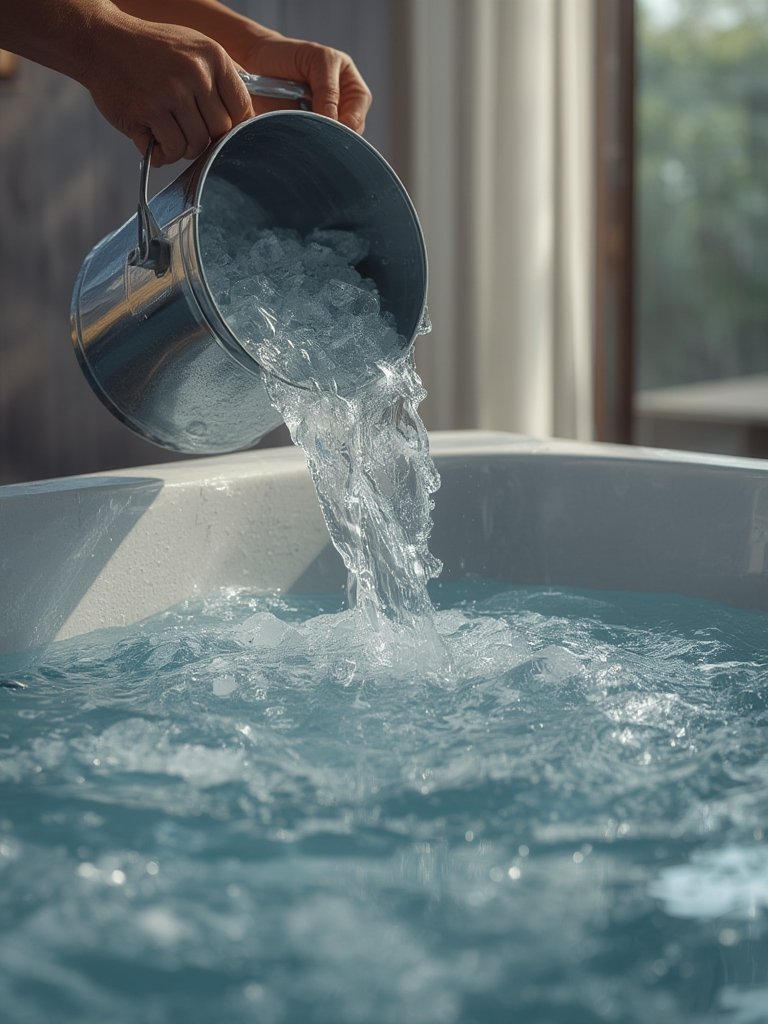
Throughout the process, do not overlook long-term energy and water usage. For ongoing savings, pair cold plunge installations with high-efficiency water heating options. See our heat pump water heater energy savings guide for tips that also apply to cold plunge setups.
Advanced Analysis & Common Pitfalls
Thousands of new users learn the hard way that successful cold plunge integration is fraught with obstacles. Here’s what often goes wrong, and how you can avoid costly mistakes:
- Underestimating Total Cost: Most buyers see list prices ($2,500–$10,000) but miss installation, trade labor, electrical/plumbing upgrades, insulation, and ongoing energy/water costs.
- Skipping Technical Checks: Weak floors can crack under load, insufficient circuits can trip breakers, poor ventilation breeds mold.
- Maintenance Overload: Stagnant water, algae blooms, or mold outbreaks are frequent when tubs are left untreated. Many new owners underestimate water treatment needs compared with pools or hot tubs.
- Temperature Instability: Cheap plunge setups cannot maintain target 45°F without massive energy draw or require constant ice additions, raising both hassle and energy bills.
- Ignoring Safety Concerns: Wet environments need GFCI protection, slip-resistant rugs, and strict adherence to electrical codes.
For more on keeping floors dry and safe, explore washable rug safety solutions for wet areas. - Inadequate Noise Management: Compressor and chiller units can be loud. Uninsulated walls amplify sound, especially in smaller homes or apartments.
Reduce noise by pairing with acoustic dampening wall panels. - Unexpected Energy Bills: Constant chilling uses significant electricity, easily adding $20–$100 per month, depending on model.
| Expense Category | Realistic Cost Range (USD, 2024) | Details |
|---|---|---|
| Cold Plunge Tub | $2,500 – $10,000+ | Entry-level to premium models |
| Plumbing Installation | $800 – $2,000 | New supply and drain lines, backflow, pro labor |
| Electrical Upgrades | $500 – $1,800 | Dedicated circuit, GFCI, pro installation |
| Floor Reinforcement | $1,000 – $4,000 | If needed for upper floors, material/labor |
| Room Waterproofing | $500 – $2,000 | Waterproof paint, vapor barriers |
| Ongoing Operation | $25 – $100/month | Electricity, water, chemicals, filter replacement |
For additional ways to control ongoing laundry, bathing, and water-related costs, check out our popular guides for saving space (ventless washer dryers for small homes) and reducing energy use (eco-friendly dryer options).
Conclusion: Should You Buy a Cold Plunge Tub?
Cold plunge tub installations can transform recovery routines and offer a spa-like experience at home, but not without tradeoffs. Between upfront costs, space requirements, and recurring maintenance, a plunge tub is a true investment in both time and money. If you’re prepared for the reality—not just the hype—your cold plunge journey can be rewarding. Thorough research, qualified professionals, and smart planning are the keys to long-term success. If you’re serious about elevating your home wellness routine with a cold plunge tub, start with a solid plan and don’t skip the details—your body and wallet will thank you.
Ready to compare options? Take your next step to safer, smarter cold therapy at home today.
Frequently Asked Questions
How much does a cold plunge tub actually cost in 2024?
The true cost usually ranges from $5,000 to $20,000 when including the tub itself, professional plumbing and electrical, floor work if needed, and a year of operation. Upfront price tags often don’t reflect all expenses.
Can I install a cold plunge tub on an upper floor?
Only if the floor structure can handle at least 100 lbs per square foot. Most homes require a contractor to reinforce floors before placing a heavy, water-filled tub above ground level.
What are the biggest maintenance requirements?
Regular water treatment (filters, chlorine/bromine), frequent draining and refilling, and surface cleaning. Neglecting these can cause mold, biofilm, or water-borne bacteria.
Is a cold plunge tub safe for kids or older adults?
Extreme cold poses risks, especially for young children, elderly, or people with cardiac conditions. Always supervise use, heed medical warnings, and never use alone.
What mistakes do most homeowners make?
The biggest mistakes include skipping structural checks, not budgeting for all installation needs, poor water treatment, ignoring ventilation, and failing to maintain consistent temperature.