

Biophilic design indoor outdoor strategies are changing how homeowners connect with their living spaces—and the science proves the results go beyond looks. If you want to blend natural elements indoors and outdoors for better well-being, productivity, and comfort, this guide covers the latest evidence, real-world steps, and practical mistakes to avoid. Let’s get into what actually works for modern homes—and what to watch out for.
Key Takeaways
- Recent studies show quantifiable wellness benefits from biophilic design indoor outdoor elements, especially in stress recovery and mental clarity.
- Costs, regulatory challenges, and maintenance details of major features like green walls aren’t widely published—so set realistic expectations and ask the right questions.
- Most design guides miss common pitfalls, DIY mistakes, and technical snags—our step-by-step strategies and troubleshooting tips can help you avoid expensive errors.
- The Core Concept: What Is Biophilic Design Indoor Outdoor?
- Step-by-Step Guide: Implementing Biophilic Design at Home
- Advanced Analysis & Common Pitfalls
- Conclusion
- Frequently Asked Questions
The Core Concept: What Is Biophilic Design Indoor Outdoor?
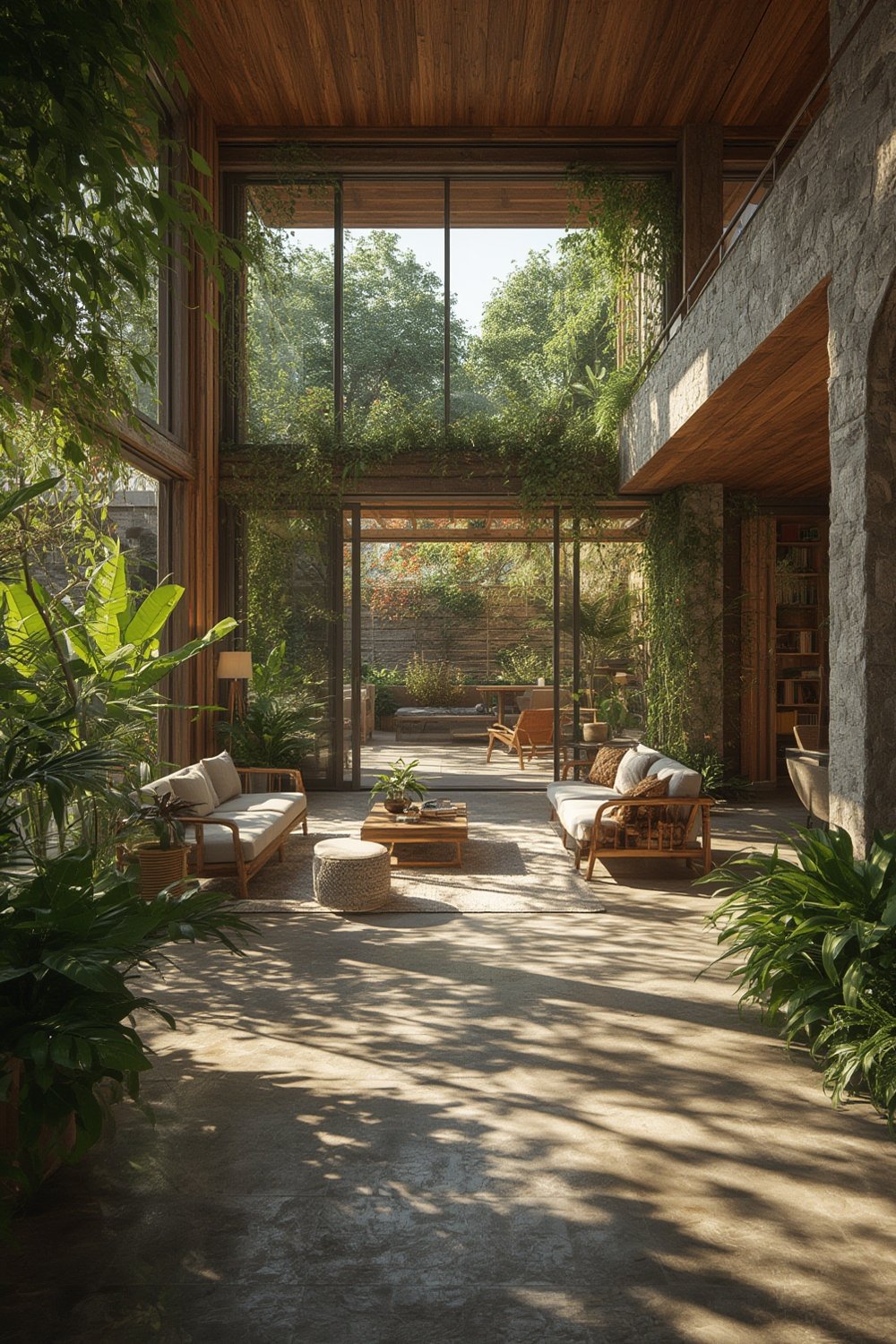
Biophilic design indoor outdoor means more than adding plants to your space. It’s about building a stronger, seamless connection between natural outdoor features—like greenery, water, and daylight—and your interior spaces. The goal is to turn your home into a restorative environment that improves physical health, mental performance, and everyday satisfaction.
Scientific research published as recently as 2025 found that authentic biophilic elements—think direct access to sunlight, fresh air, living walls, and expansive outdoor views—can measurably lower stress (as evidenced by a larger drop in skin conductance levels) and boost emotional well-being. [Frontiers in Virtual Reality 2025] Incorporating these elements throughout both indoor and outdoor areas amplifies the overall benefit.
Integrating biophilic design is also an investment in sustainability and energy efficiency. Adding more outdoor connections can lower dependence on HVAC systems, much like how heat pump water heaters are redefining water heating for optimal energy savings at home.
Step-by-Step Guide: Implementing Biophilic Design at Home
Ready to blur those boundaries between inside and outside? Here’s how to get started with biophilic design in a practical, resource-smart way:
-
Assess Your Light and Views
Start by listing all natural light sources and looking for opportunities to add large windows, sliding doors, or skylights. Replace heavy curtains with lighter options. If possible, rearrange your major furniture to maximize views of greenery, yards, or a balcony garden. -
Add Living Elements (Plants and Green Walls)
Simple indoor potted plants can noticeably reduce stress and improve air quality. For a bigger impact, consider living walls or green partitions. These create visual and health benefits, similar to the acoustic benefits of fluted wall panels. -
Create Seamless Transitions
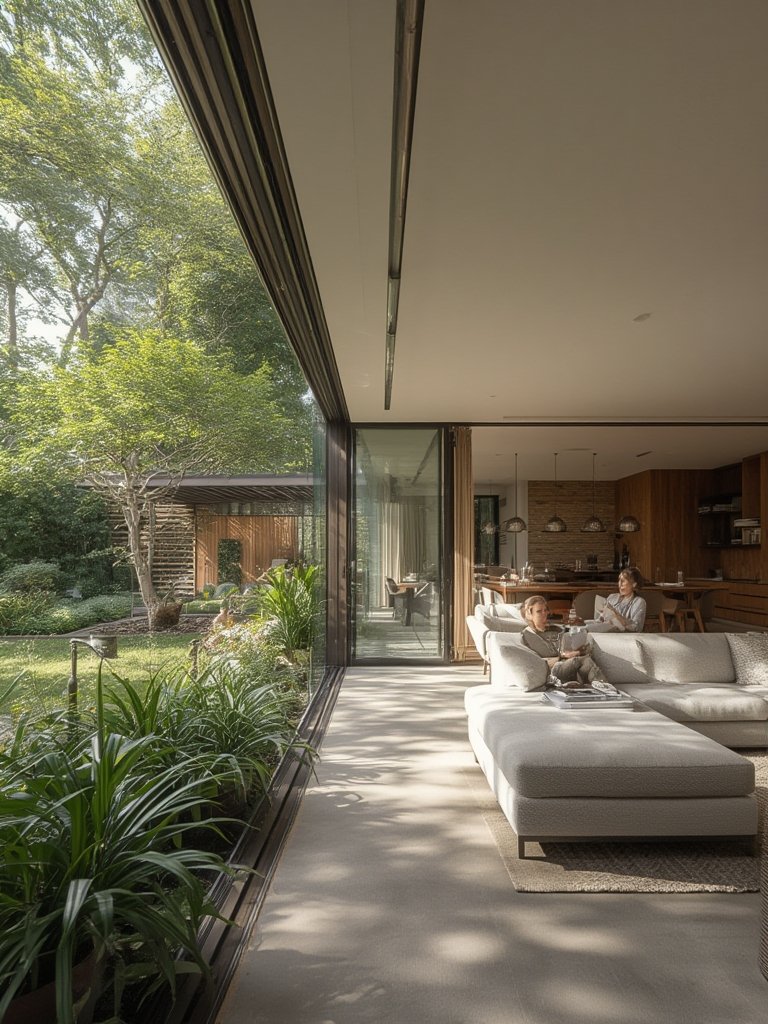
Use similar flooring outdoors and indoors—like SPC flooring—and select matching palettes to create continuity. Install retractable glass walls or folding doors for a flexible flow between spaces. -
Incorporate Air, Water, and Sound
Natural airflow can be introduced by installing operable windows. Fountains or small water features offer calming acoustic effects. Add a transitional sound barrier, or use sound-dampening surfaces if noise is an issue. -
Layer Textures and Natural Materials
Use stone, wood, rattan, or linen for both interior and exterior furnishings. Area rugs—especially washable rugs—anchor spaces and add comfort while still feeling organic. -
Choose Easy-to-Maintain Features
Simpler features like native potted plants, low-maintenance green walls, or faux finish moss panels keep overhead low if you’re not up for extra gardening or cleaning. -
Plan for Climate and Privacy
In hot environments, deep eaves or strategically placed greenery can create shade. Use privacy screens, hedges, or light-filtering outdoor drapes to maintain a sense of retreat without sacrificing the natural view.
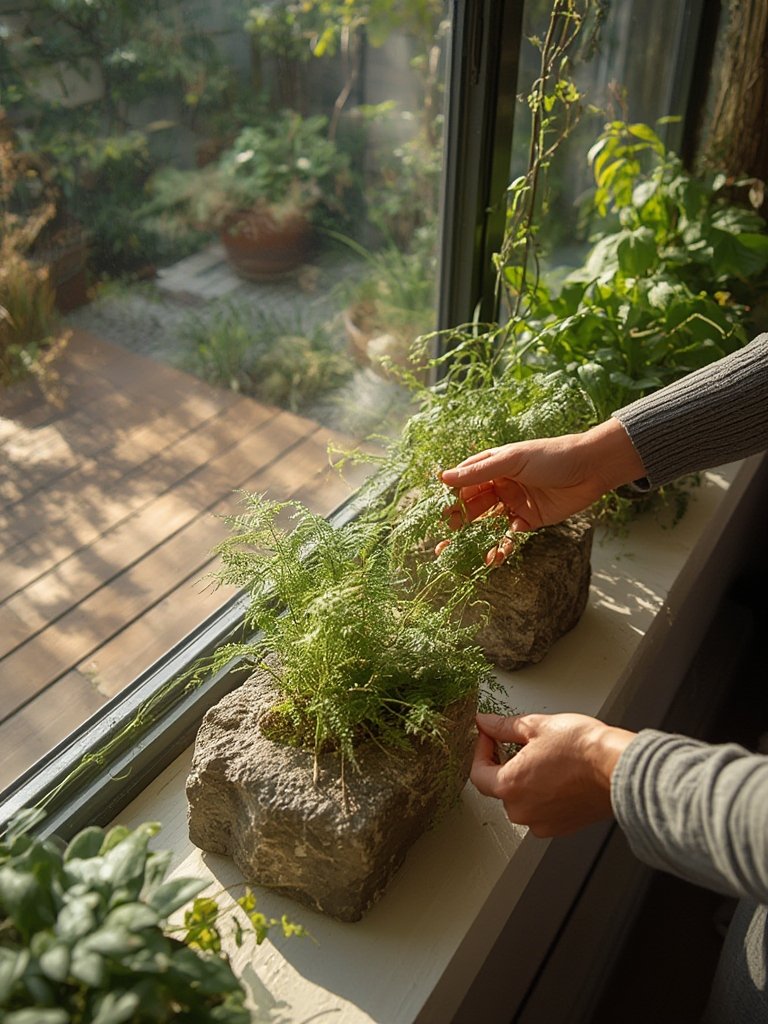
If you’re working with a compact apartment, even a small hanging planter on the balcony or an herb wall in the kitchen can give you the mood and cognitive boosts associated with biophilic design. And if space saving is a big concern, combining biophilic upgrades with modern appliances—like a ventless washer dryer—can free up room for natural features in tight layouts.
For ongoing upkeep, plan your design around low-maintenance plants and materials. Watering systems can be automated, and self-watering planters reduce daily work. In areas prone to moisture or stains, using washable rugs will protect floor integrity and keep spaces feeling fresh.
Advanced Analysis & Common Pitfalls
While the science behind biophilic design is strong, practical implementation can go sideways. Here’s where things get complicated—and how to sidestep expensive or underwhelming results.
Common Pitfalls When Blending Indoor Outdoor Spaces
| Pitfall | Why It Happens | How to Avoid |
|---|---|---|
| Poor Drainage or Water Damage | No plan for rainwater runoff or spills near transition zones causes mold or rotting floors. | Install slopes, floor drains, and choose waterproof flooring options like SPC flooring. |
| Unsustainable Maintenance Load | Choosing high-maintenance green walls or exotic plants leads to early burnout. | Select native or low-care species; automate watering; start with small installations. |
| Lack of Real Seamlessness | Mismatch in floor height, materials, or colors between interior and exterior breaks the biophilic “flow.” | Order samples for color and material tests; use continuous or visually similar surfaces. |
| Glare and Overheating | Poorly placed windows/skylights let in too much sun, making living areas uncomfortable. | Include shading elements—trees, awnings, or smart glass where possible. |
| Underestimating Costs and Permissions | Green wall systems can be pricey; structural changes may require permits not always discussed in design guides. | Ask for detailed cost breakdowns and check local building codes before hiring a contractor. |
Why Some Efforts Fail
- Surface-level decor: A few potted plants help, but do not replace true visual or physical connection to larger natural elements.Biofilico
- Neglecting acoustics: Open designs may amplify outside noise if not addressed. Acoustic dampening materials—like those found in fluted panels—can help maintain peaceful interiors.
- Inadequate cleaning plans: Without washable or durable surfaces, mud, water, or pollen can quickly accumulate anywhere that blends indoors and out.
What the Latest Science Shows (2022–2024)
Recent studies show measurable stress recovery, boosted attention, and emotional benefits from well-crafted biophilic spaces.All Multidisciplinary Journal 2025 Residential green walls are presented as beneficial for air quality, carbon and heat reduction, and local biodiversity—but there’s a lack of reliable data on installation costs or ongoing upkeep as of 2024.
No direct regulations or common homeowner complaints are widely cited in published research. Still, standards like WELL Building Standard v2 now explicitly include indoor outdoor nature associations for new buildings, so codes could evolve. Always consult local ordinances and seek approval before renovating structural exteriors.
Conclusion
Integrating biophilic design indoor outdoor strategies is more than a design trend—it’s a science-backed approach that improves mental and physical well-being if approached realistically. Take clear, actionable steps, choose practical materials, and watch out for hidden pitfalls like maintenance overload or climate misalignment. For long-term comfort and value, build your plan around features you can truly sustain. Have questions or want a custom biophilic plan? Reach out today and make nature-inspired living a real, rewarding part of your home.
Frequently Asked Questions
Are there proven health benefits to biophilic design indoor outdoor in homes?
Yes, studies between 2022 and 2025 show quantifiable benefits like reduced stress levels (measured by skin conductance) and improved relaxation and mood when real biophilic elements are included in home design.
What is the cost to install a residential living wall or green wall?
Current research does not list exact costs. Prices vary depending on size, materials, species used, irrigation systems, and professional fees. Always request quotes from trusted installers and include maintenance estimates in your budget.
Do I need permits for adding biophilic features to my home?
No specific residential regulations are cited in scientific sources as of 2024, but always check your local building department before starting major renovations, especially if altering exteriors or structural elements.
Can biophilic design improve property resale value?
There is no published data as of 2024 linking biophilic design to higher resale values, but wellness and sustainability features are popular and may increase buyer interest in some markets.
What are the main pitfalls to avoid when blending indoor and outdoor spaces?
Common mistakes include mismatched flooring, lack of drainage planning, starting with high-maintenance features, and failing to provide seamless transitions. Starting small and focusing on maintainable solutions can help avoid these issues.
—