

### Blog Post:
Butler’s pantry design is experiencing a surge with homeowners who want an efficient, clutter-free kitchen while maintaining great style and entertaining capacity. If you’re planning a renovation or new build, understanding the latest in butler’s pantry trends, costs, technical requirements, and common pitfalls is essential for making an informed, regret-free decision.
Key Takeaways
- Butler’s pantries are in high demand for their mix of functionality, storage, and seamless entertaining transition.
- The design, cost, and complexity vary a lot compared to sculleries and walk-in pantries—always identify your core priorities first.
- Overlooking technical requirements or workflow friction can create regrets—always plan for practical usage, local codes, and future needs.
- The Core Concept: What is a Butler’s Pantry and Why Add One?
- Step-by-Step Guide: Planning and Designing Your Ideal Butler’s Pantry
- Advanced Analysis & Common Pitfalls
- Conclusion
- FAQ
The Core Concept: What is a Butler’s Pantry and Why Add One?
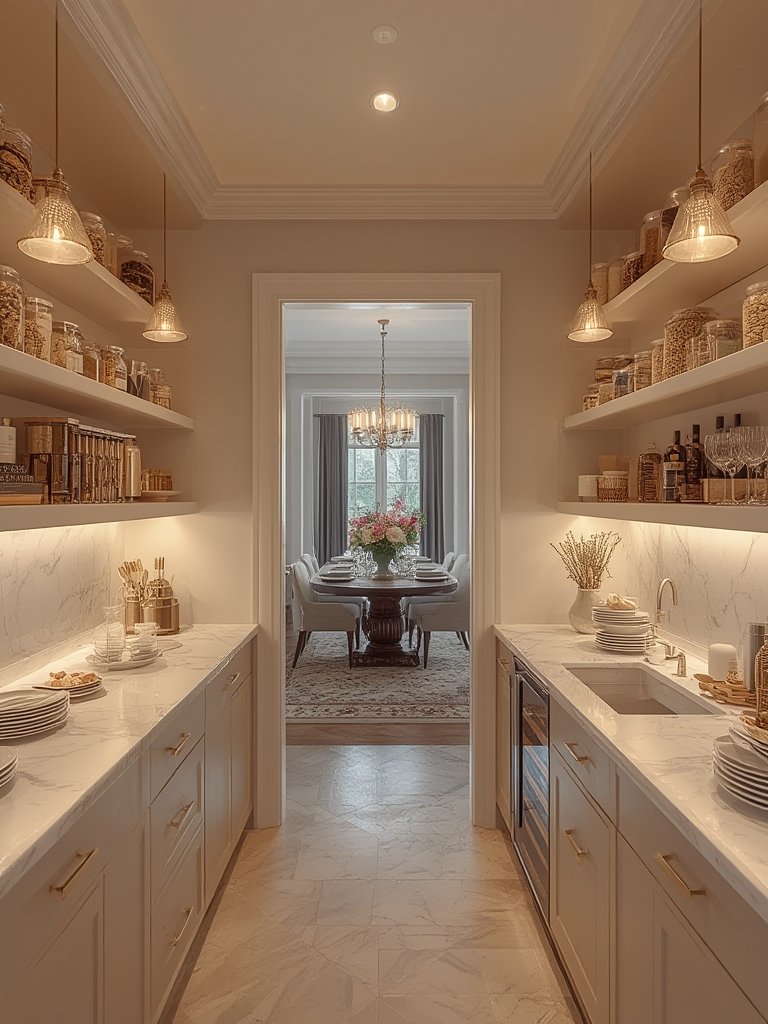
A butler’s pantry is a dedicated space between the kitchen and dining area, designed for staging, storage, and making entertaining easier. Its roots are in formal entertaining, but modern versions support everything from extra storage and coffee stations to keeping countertops clear in open-concept layouts.
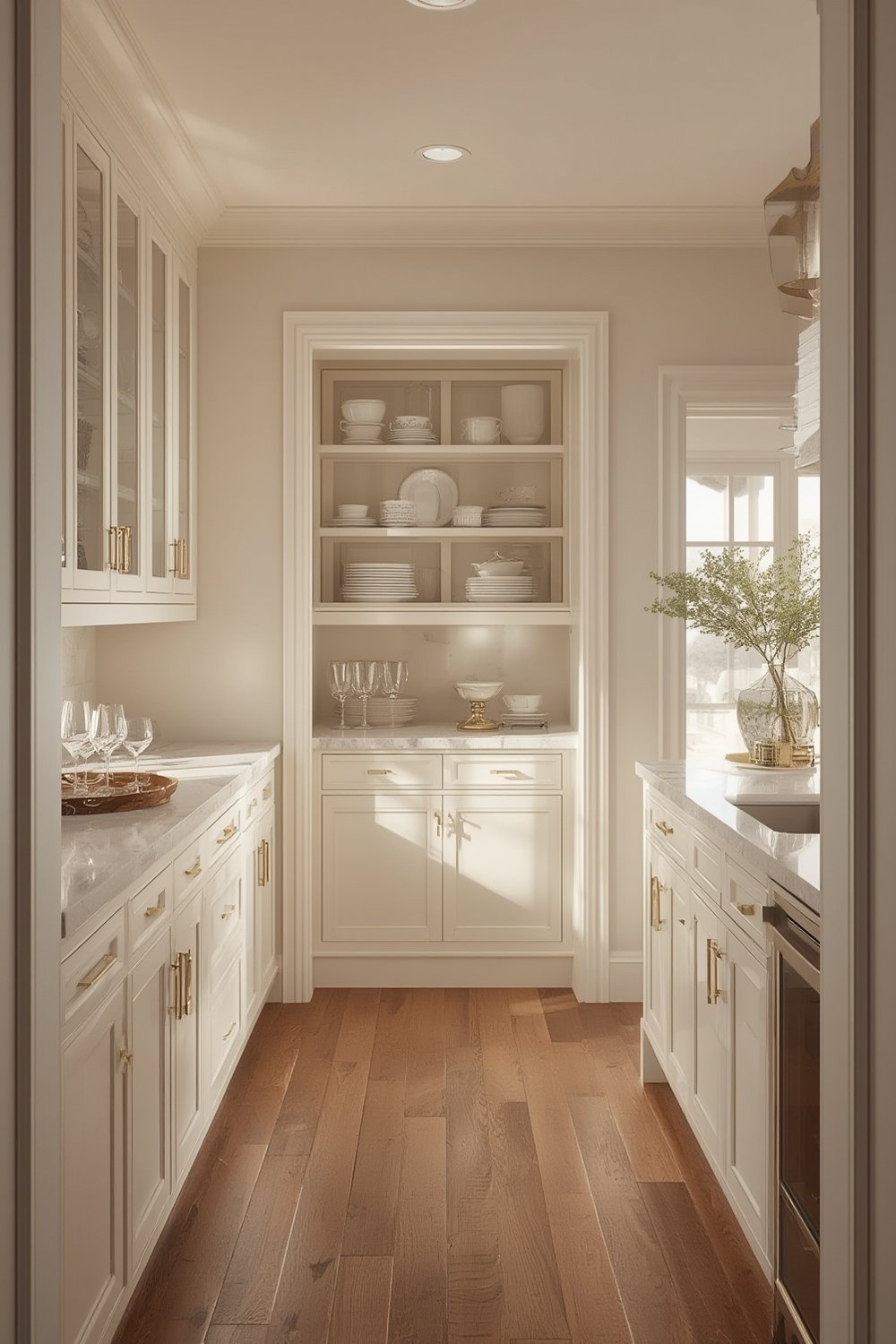
According to the American Institute of Architects, demand for butler’s pantries and similar spaces grew by over 50 percent since 2023 (source). A core reason for this growth is the move toward open-plan designs where homeowners need the “main kitchen” to look clean and presentable at all times, even during food prep and hosting. Butler’s pantries keep mess and small appliances tucked away, letting your show kitchen remain a visual focal point (source).
Unlike a scullery or full prep kitchen, a butler’s pantry usually has a smaller footprint and fewer (if any) major appliances. Typical features include shelved and enclosed storage, countertop space, possibly a small sink, and spots for beverage or coffee appliances. They are ideal when your kitchen cabinets are constantly at capacity or you want smoother transitions for serving and cleanup during gatherings without blowing your budget. For a deeper look at how butler’s pantries compare to full sculleries and walk-in pantries, the distinctions center around usable workspace, appliance capacity, and integration into everyday workflow.
For those concerned about noise, the open layout of modern homes often amplifies kitchen clatter. Including acoustic solutions—like fluted panels for sound dampening—in your kitchen and butler’s pantry design can create a more calming atmosphere.
Step-by-Step Guide: Planning and Designing Your Ideal Butler’s Pantry
- Clarify Your Goals and Usage: Decide whether your main need is storage, staging for parties, coffee and beverage service, or simply hiding overflow. The right answer will determine the layout and features to prioritize.
- Measure the Available Space: A butler’s pantry can work in surprisingly tight areas, but start with a basic square footage check. Will it fit between your kitchen and dining zone? Don’t block circulation or door swings.
- Determine Storage Solutions: Plan for a mix of open shelving, enclosed cabinets, and drawers. Allow space for large trays, extra dishware, party platters, and linens. Slide-out or deep drawers are great for smaller appliances like mixers or bread makers.
- Consider Plumbing and Electrical Needs: Most basic butler’s pantries skip major appliances, keeping costs low. But a small sink, mini fridge, or built-in coffee station adds to convenience—and complexity. This affects rough-ins during renovation.
- Choose Durable, Wipeable Surfaces: Select countertop and shelving materials that stand up to spills and stains. Quartz and high-pressure laminates are strong contenders for easy cleanup and lasting looks.
- Add Task and Accent Lighting: under-cabinet LEDs or strip lighting are highly functional. Cabinet glass doors or display shelving benefit from integrated accent lighting.
- Optimize for Noise and Clutter Control: A well-planned butler’s pantry minimizes open containers, visible mess, and kitchen racket. Consider extra sound dampening if your space backs onto living areas.
- Consult Local Codes if Adding Plumbing: Even small sinks need permit checks. Electrical upgrades should be by code, especially if adding new outlets for small appliances. If any part includes water heating or special ventilation, understanding which areas need special consideration is crucial—check the local rules around radiant and heat pump water heater systems for guidance.

When maximizing small spaces, don’t overlook elements that affect the rest of your home. Use a ventless washer dryer elsewhere to reclaim valuable mudroom space if you’re integrating laundry and pantry functions. And select washable rugs around pantry and kitchen areas—they help keep floors protected and simplify cleaning for high-traffic prep zones.
Lastly, always ensure the pantry floor matches the durability levels required for a secondary workspace. SPC flooring or quality vinyl provides waterproof, maintenance-friendly performance if your butler’s pantry includes a small sink or beverage fridge, reducing long-term hassles.
Advanced Analysis & Common Pitfalls
Even with careful planning, homeowners often encounter unexpected problems with butler’s pantries. Here’s what to watch for, plus how costs stack up across different pantry types.
| Space Type | Cost Range | Common Drawbacks | Best For |
|---|---|---|---|
| Walk-in Pantry | $2,500–$3,000 | No plumbing or major appliances, just storage, can get cluttered | Basic overflow storage, cost-focused renovations |
| Butler’s Pantry | Lower than scullery | Limited workspace, usually no dishwasher or full sink, may not fit large appliances | Frequent entertainers, extra counter space |
| Simple Scullery | $5,000+ | Size and cost increase, needs more plumbing and electrical, uses more square footage | Avid cooks, large families, frequent meal prep |
| High-End Scullery | Up to $15,000 | Most expensive, major disruption during build, complex codes | Luxury homes, homeowners wanting hidden full prep kitchens |
Workflow Friction: Too-small butler’s pantries often become overflow junk spaces, not organized staging areas. Planning for both daily and party use is critical; otherwise, you’ll be constantly ferrying items back and forth.
Technical Oversights: Homeowners may skip code checks for simple plumbing or electrical upgrades, leading to costly permit headaches later. Ventilation and moisture control—especially if you add a sink or countertop appliances—are rarely discussed but can ensure longevity and safe, mold-resistant performance. Lack of detailed technical guidance is a major gap in most articles. Always check whether your region treats even “simple” pantries as wet bars, food service zones, or utility spaces requiring unique code compliance (source).
Resale Impact: There currently isn’t enough hard data on the short- or long-term real estate impact of butler’s pantries. While buyers in some luxury markets absolutely expect them, others may see the space as lost square footage if not thoughtfully integrated (source).
Missed Technology Upgrades: Integrating smart storage lighting, touchless faucets, or IoT-enabled coffee makers is still an underused opportunity—few guides cover it. Plan conduit runs or extra outlets if future upgrades are likely, and keep shelf dimensions flexible in anticipation of changing appliance models.
Conclusion
Today, a thoughtful butler’s pantry delivers real value for frequent hosts and those craving uncluttered kitchens. The most successful projects blend classic staging ideas with contemporary storage, durable finishes, and code-compliant utility planning. Always clarify what you need from your butler’s pantry—then design for real life, not just show. Ready to start planning? Assess your workflow, check with your contractor, and integrate versatile storage now for years of stress-free entertaining and daily convenience.
FAQ
What’s the main difference between a butler’s pantry and a scullery?
A butler’s pantry is for staging, serving, and storage between the kitchen and dining areas, usually with minimal plumbing or appliances. A scullery (or prep kitchen) is larger, typically includes a sink, dishwasher, and space for meal prep and cleanup, and is designed to keep the main kitchen presentable during large gatherings.
Can a butler’s pantry fit into a small kitchen layout?
Yes, even older or compact homes can add a butler’s pantry. Prioritize the most essential features—like extra storage or a coffee station—and use modular shelving to maximize tight spaces.
Will adding a butler’s pantry increase my home’s resale value?
The data isn’t conclusive yet. Buyers in higher-end markets increasingly expect a dedicated staging area, but in smaller homes, some buyers might prefer open square footage. Integration quality and function matter more than the mere presence of a butler’s pantry.
What technical details are most commonly overlooked?
Plumbing, electrical loads, and ventilation are often skipped in “simple” pantries, but even a small sink or fridge needs proper outlets and drain lines. Always check local codes and permit requirements, especially if adding appliances or modifying utility lines.
What surfaces or flooring work best in a butler’s pantry?
Quartz or high-pressure laminate countertops are easiest to maintain. For flooring, SPC or quality vinyl withstands spills and moisture, while washable rugs add slip-resistance and help protect floors in service areas.
—