

Fluted Panels are revolutionizing wall treatments for homeowners seeking both stunning style and high-performance sound dampening. But are they really a match for traditional acoustic panels, and what do most guides miss? This guide delivers real answers, step-by-step installation strategies, and the overlooked truths about fluted panel performance in 2024.
Key Takeaways
- Fluted panels absorb up to 85% of mid-high frequency sound, comparable to top-tier acoustic panels, while bringing unique design appeal.
- Most guides miss the impact of air gaps, low-frequency absorption, and the difference between blocking versus absorption and diffusion.
- Always check Noise Reduction Coefficient (NRC) ratings and installation methods for reliable, effective acoustic results.
- What Are Fluted Panels and Why Choose Them?
- How to Install Fluted Panels for Maximum Sound Dampening: Step by Step
- Advanced Analysis: What Most Guides Don’t Tell You
- Conclusion
- FAQ
What Are Fluted Panels and Why Choose Them?
Fluted panels combine the look of textured, architectural slats with real acoustic backing to deliver both style and sound dampening. Unlike generic wall treatments, their grooved surfaces scatter (diffuse) sound waves, while an underlying layer of felt, foam, or mineral wool insulation absorbs up to 85% of room echo and noise. This approach can transform a basic wall into a performance-driven feature that outshines plain drywall or traditional hard surfaces.
Wood slat acoustics, integrally designed for both commercial and home spaces, are more than a passing trend. They deliver measurable room improvements, especially in living rooms, home theaters, and offices where echo control and aesthetics matter. Add to this the growing market for modern, minimalist design, and it’s clear why fluted panels lead the way for next-gen wall treatments.
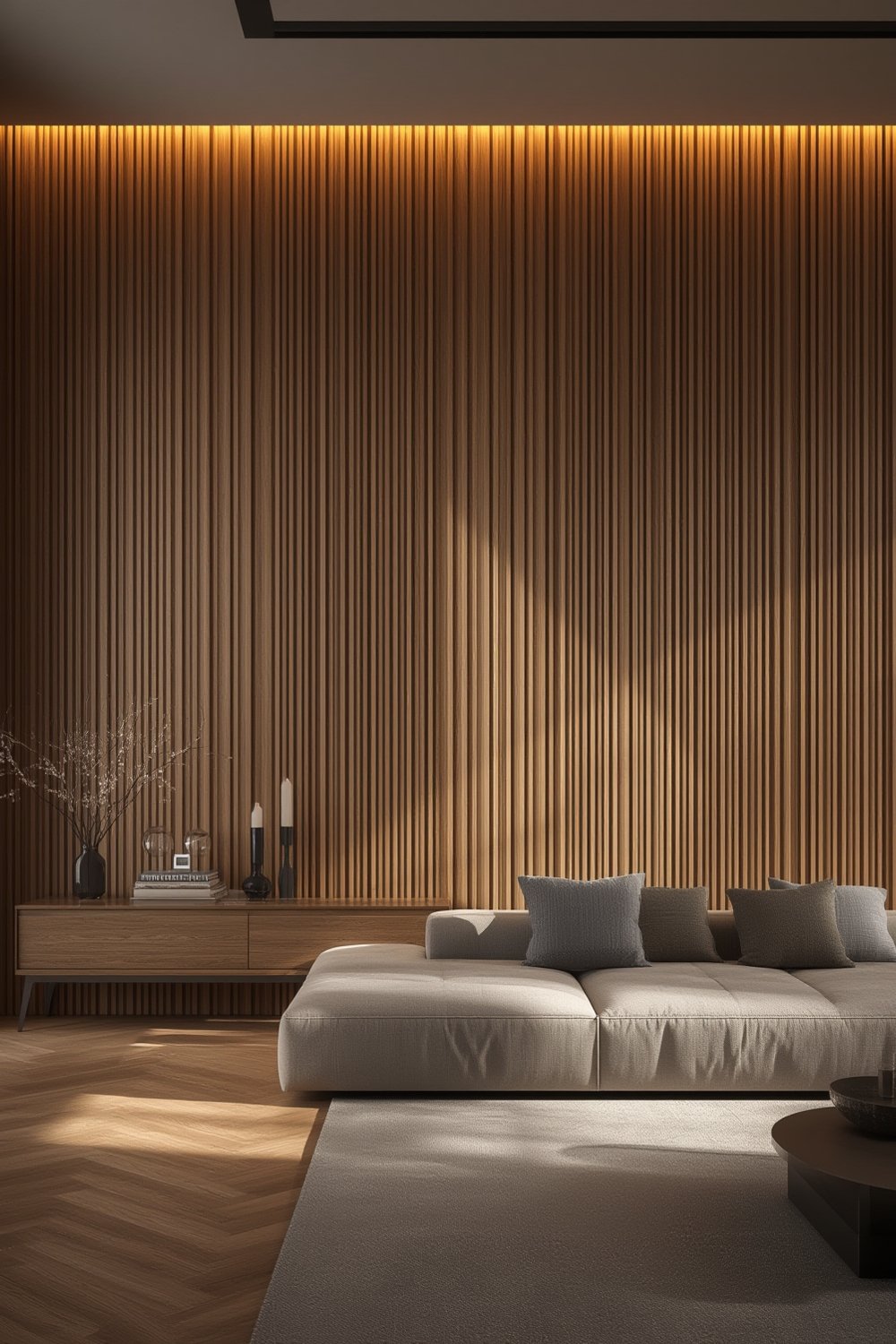
Their effectiveness is real: recent manufacturer data places their sound absorption on par with classic fiberglass and foam acoustic panels. The grooves and acoustic core work together—grooves scatter higher-pitch echo, backing materials trap reverberation. If you value a serene, stylish room, fluted panels offer a singular solution.
How to Install Fluted Panels for Maximum Sound Dampening: Step by Step
-
Plan Your Installation
- Measure the dimensions of your wall or ceiling.
- Identify potential sound leakage points—windows, doors, HVAC grilles.
- Choose your panel type: real wood veneer with felt, MDF core, or custom combinations.
-
Prepare the Wall Surface
- Clean and, if needed, patch the wall for a smooth installation surface.
- Mark guidelines using a level for precise alignment.
-
Create an Air Gap (for Enhanced Performance)
- Use spacers or MDF battens to stand panels off the wall by 1-2 inches.
- This gap dramatically increases sound absorption, especially for bass frequencies.
-
Install the Panels
- Secure the first panel using screws through the slat into studs or anchors.
- For ceilings or large spans, use adhesive plus screws for extra hold.
- For seamless look, butt panel edges; use manufacturer-provided trims where needed.
-
Finish and Inspect
- Fill visible fastener holes or conceal with color-matched plugs.
- Vacuum or wipe the panels to remove installation dust.
- Test acoustic response by clapping or playing audio—notice the difference.
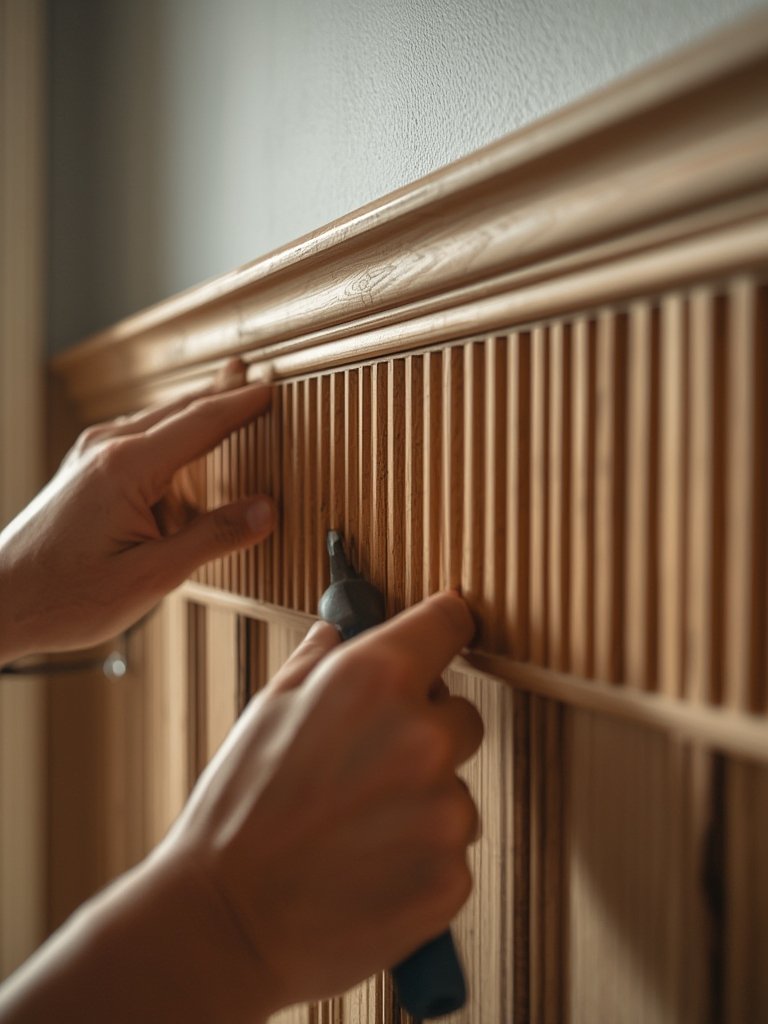
For those customizing entire spaces, repeating patterns can bring continuity while mixing finishes provides tailored looks for each room. If you’re renting, modular panels can often be installed with adhesive only, making your investment portable. See how similar design upgrades can protect floors in our guide on washable rugs that control sound and mess.
Advanced Analysis: What Most Guides Don’t Tell You
Many competitor articles oversell the ease or effectiveness of fluted panels without mentioning real limitations and overlooked optimizations. Here’s what the research shows—and what you need to know to avoid mishaps.
Comparing Fluted Panels and Traditional Acoustic Panels
| Feature | Fluted Panels | Traditional Acoustic Panels |
|---|---|---|
| Absorption (NRC) | 0.85 (85%) | 0.85+ |
| Diffusion Ability | High (from grooves) | Low (flat) |
| Sound Blocking | Poor | Better (thicker, denser) |
| Material Choices | Wood veneer, MDF, felt | Fiberglass, foam, mineral wool |
| Visual Impact | Aesthetic, modern, textured | Plain, commercial look |
| Price Transparency (2024) | Limited published data | Variable |
What Most Guides Miss
- Air Gaps Matter: Skipping an air gap behind panels means poor low-frequency absorption—your room will sound boomy. Always use spacers or battens. Source
- Absorption vs. Blocking vs. Diffusion: Fluted panels will absorb echo and scatter sound but won’t stop noise from passing through walls. For privacy, add mass-loaded barriers.
- No Real User Complaints in 2024: Research finds no widespread homeowner issues, but that also means a lack of long-term residential data for cleaning, durability, or resale impact.
Potential Downsides
- Installation requires measuring, spacing, and sometimes stud-finding—rushing leads to a crooked finish.
- Most products lack transparent pricing or easy DIY options in 2024—plan for a higher cost than foam panels.
- If a modern look isn’t your preference, the bold lines may not blend with vintage or ornate décor styles.
For maximum durability and property value, pair wall treatments with modern, practical flooring. Check out our guide on SPC flooring for complementary noise management ideas.
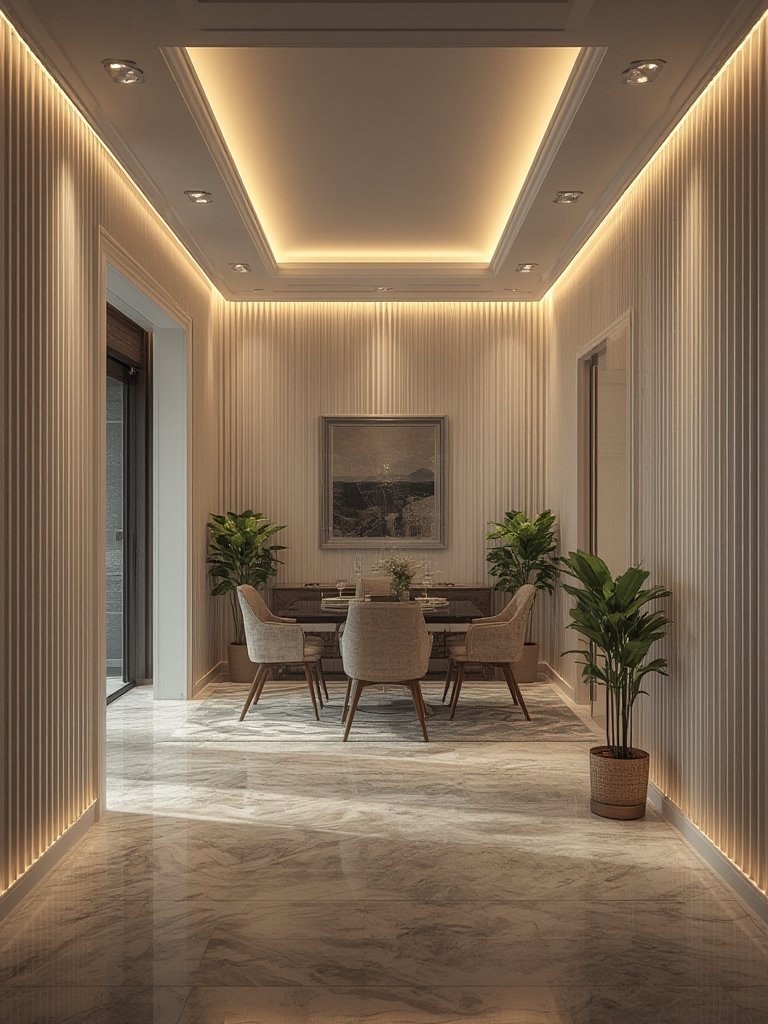
Still weighing options? modular panels like these are increasingly being used in versatile multi-functional rooms. This strategy is effective where flexibility is valued.
Conclusion
Fluted panels are an innovative solution for homeowners who want acoustic performance and modern, textured looks. They absorb up to 85% of mid-to-high frequency noise, matching top acoustic panels when installed with an air gap—yet with more style and flexibility. Always check for real NRC ratings, leverage air gaps for bass control, and install carefully for best results. For advanced room upgrades, integrate with washable rugs or robust SPC flooring for integrated sound and style management.
Ready to upgrade your space? Start planning your fluted panel wall project now—compare materials, check installation guides, and don’t forget to optimize every detail for sound and style.
FAQ
Do fluted panels block noise between rooms?
No, fluted panels are designed to absorb echo and reverberation within a room, not to block sound from transferring through walls. For blocking, use dense, mass-loaded barriers in addition to panels.
Are fluted panels as effective as commercial acoustic panels?
Fluted panels with quality acoustic backing (felt, mineral wool) reach NRC ratings up to 0.85, which matches many commercial acoustic panels for absorption—though their primary advantage is visual appeal and diffusion.
How do I check if a fluted panel is really acoustic-rated?
Look for a published Noise Reduction Coefficient (NRC) tested under ASTM standards. Ask manufacturers for lab-verified ratings, not just claims of “sound dampening” or “noise reducing.”
Can I install fluted panels myself, or is professional help required?
Most homeowners can handle installation with basic tools—level, drill, and screws. For large projects or ceilings, professional installers may ensure better alignment and safety.
What maintenance do fluted panels require?
Routine maintenance is simple: vacuum dust from grooves and wipe with a damp, non-abrasive cloth. There are no major maintenance complaints reported by homeowners as of 2024.