

Ventless Washer Dryer technology is changing laundry for people in apartments, condos, and homes without the option for traditional vented systems. Understanding how these machines work—and their trade-offs—can help you make a smart choice for your space and lifestyle.
Key Takeaways
- ventless washer dryer combos offer major installation flexibility and are ideal for small spaces but have lower load capacities and longer drying times compared to traditional vented models.
- Rapid growth in demand is being driven by urban housing trends and technological improvements, with projected global market expansion in the next decade.
- Lack of comprehensive performance data and consumer feedback means buyers should research carefully before investing in a ventless washer dryer solution.
The Core Concept
A ventless washer dryer is a laundry machine that both washes and dries laundry in one unit without requiring an external vent. While traditional dryers push hot, moist air outside through a vent, ventless models use condensation or heat pump technology to pull moisture out of clothes and collect or drain it away—an approach that works well even in buildings where venting is impossible.
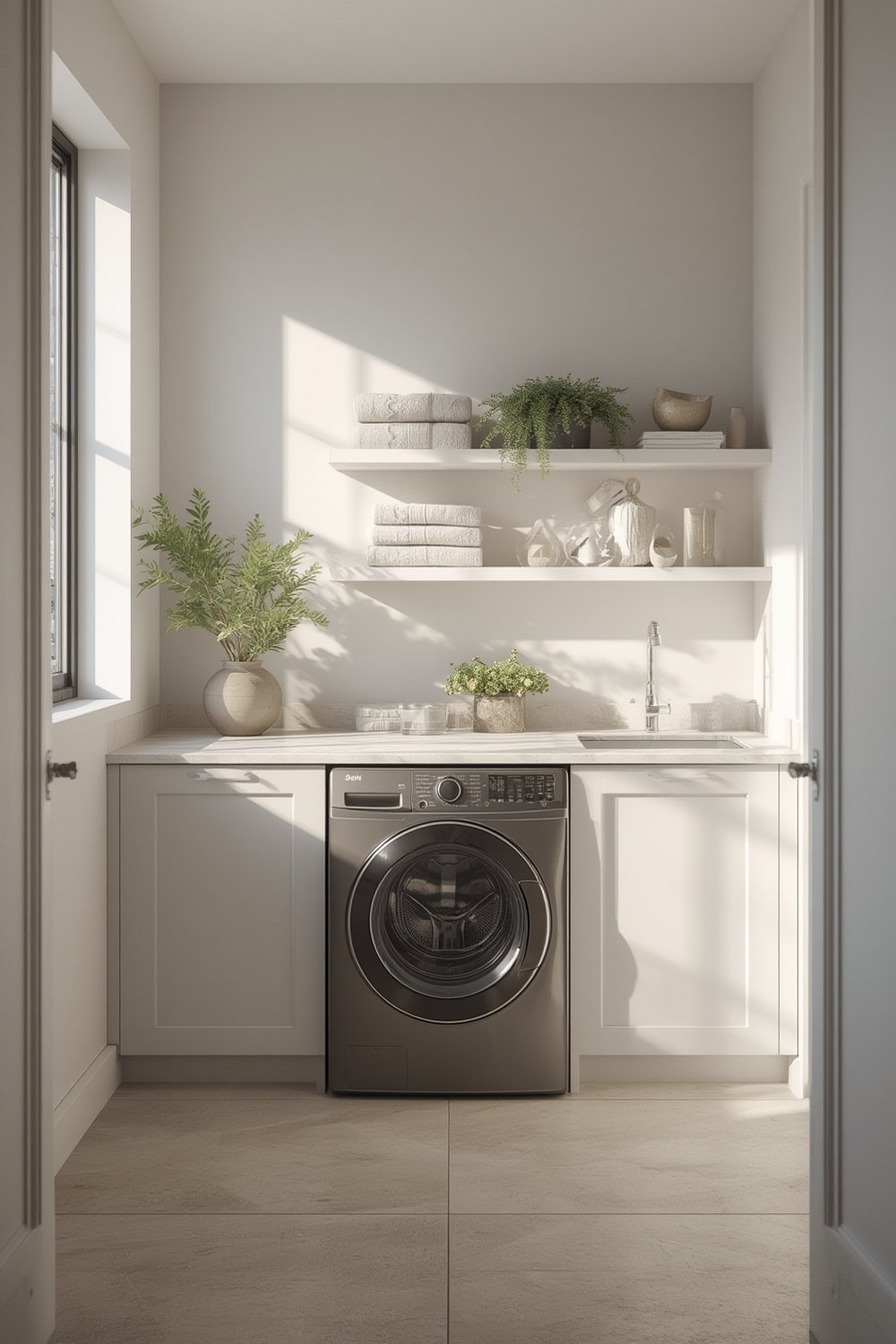
The global market for ventless heat pump dryers is expanding rapidly, with a market value of USD 5.4 billion in 2024 (source). Urbanization and a boom in apartment construction are major drivers. For example, approximately 37% of new residential dryer installations are now in multi-family housing (source), where ventless units fit perfectly due to their compact size and simple installation.
Ventless models come in two main types: condensing (condenser) and heat pump. Both eliminate the need for a duct, but heat pump machines use less energy and are generally more eco-friendly. However, this comes with trade-offs—mainly in drying speed and laundry capacity.
If you’re living in a place where vent installation is impractical or impossible, or you just want to maximize usable floor space, the ventless washer dryer offers a practical solution. Combo units (washer plus dryer together) are especially suited to apartments and small homes. For families or frequent large loads, though, they’re less ideal since most models handle only smaller laundry volumes each cycle.
Looking for more about optimizing limited living spaces? See our tips in Metus Aliquam Eleifend Miinnulla Posuere Sollicitudin Aliquam.
Step-by-Step Guide
Selecting and installing a ventless washer dryer is not complicated, but you’ll save time and money by following these steps.
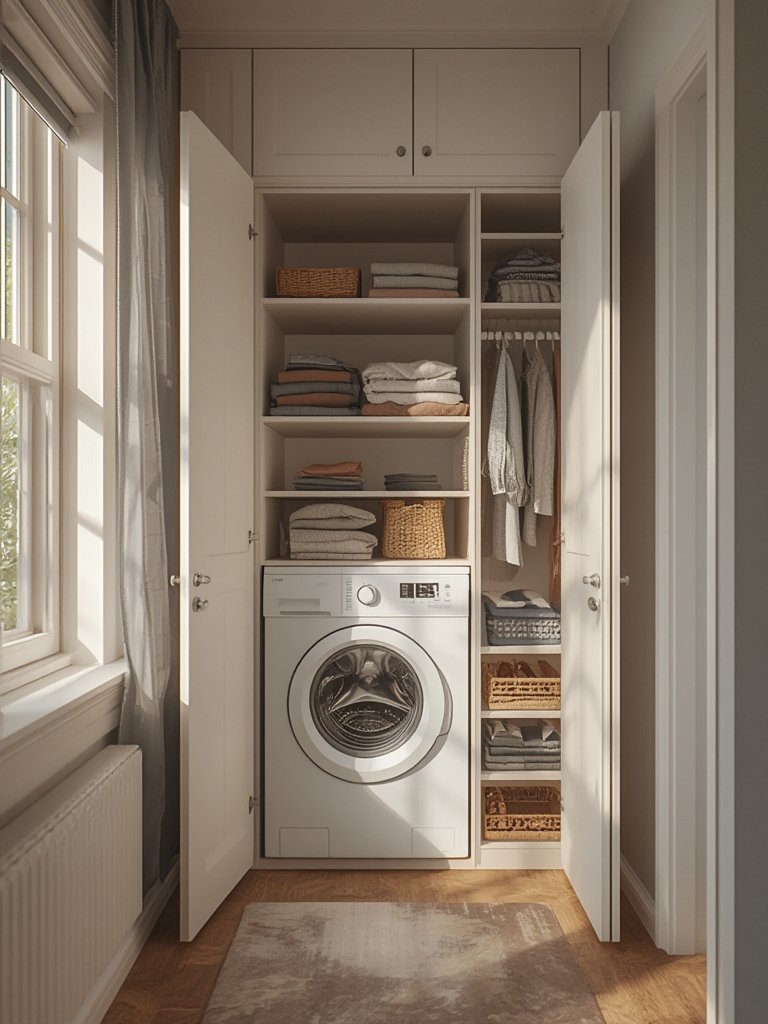
- Assess Your Space and Power Needs: Ventless units need a standard water supply and a drain—typically the same as any washing machine—and a power source (usually a standard 120V or 240V outlet in North America, though you should check each model’s requirements). No external venting means you can install it on any wall with access to water, even in a closet or under a countertop.
- Pick the Right Model: Decide between an all-in-one combo unit and a ventless dryer alone, considering load capacity, energy efficiency, and your laundry habits. Condensing and heat pump models are available—the heat pump types offer the best energy savings. Look for features like customizable cycles or Wi-Fi troubleshooting to make life easier (source).
- Installation: Most ventless washer dryers do not require professional installation or changes to cabinetry (source), though tight spaces or built-in placements can add complexity. Secure the machine, attach water lines and drain hose firmly, and make sure it’s level to avoid vibration or leaks.
- First Use and Best Practice: Run a “test wash and dry” on empty to clear out manufacturing residues. Read the manual on recommended load size—don’t overfill, as most combos cannot handle the same capacity as standalone units (source).
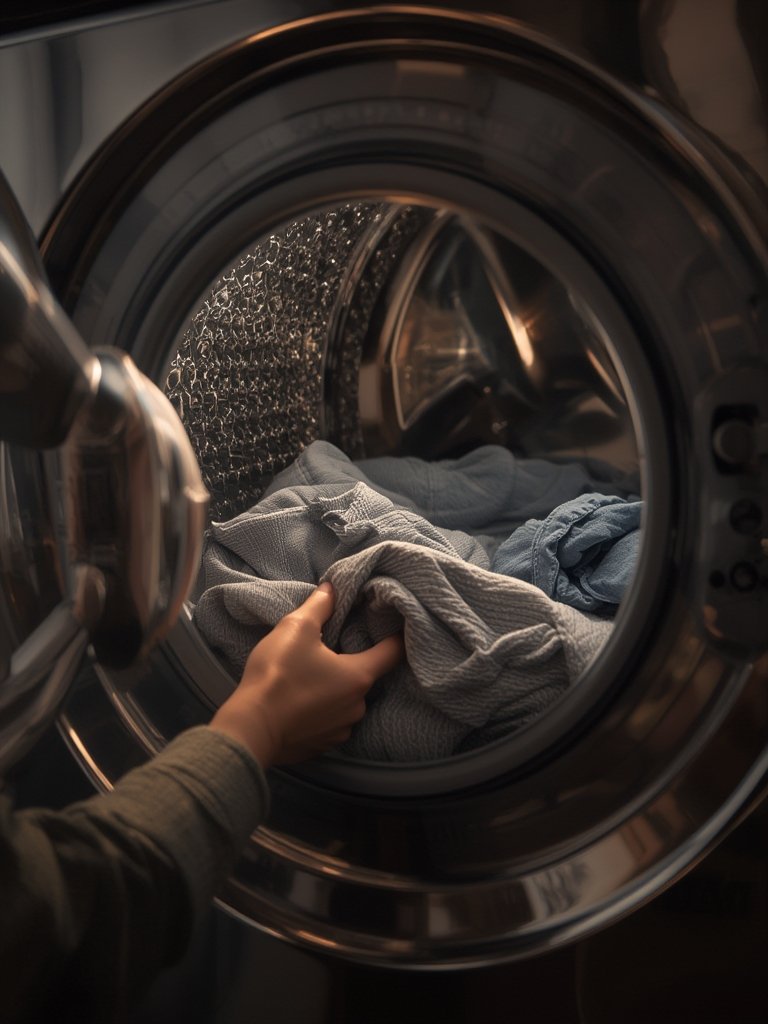
- Routine Maintenance: Clean both lint filters after every drying cycle; in ventless models, pay special attention to the condenser/heat exchanger as dust buildup will decrease performance over time. Once per month, run an empty cycle with a washing machine cleaner or vinegar.
For further space optimization tips, browse Cursus Euismod Quis Viverra Nibhcras Pulvinar Mattis Nunc and discover more solutions for modern home living.
Advanced Analysis & Common Pitfalls
Ventless washer dryers solve key installation and space challenges but aren’t without their drawbacks. Here’s a realistic look at potential issues you might encounter, along with market context:
- Restricted Load Size: Combo units typically accept smaller laundry loads (often 50-60% of what standalone machines can handle). For large households or frequent washers, this means slower laundry completion.
- Longer Drying Times: Condenser and heat pump dryers generally require significantly longer drying cycles. It’s not unusual for a single load—from wash to dry—to take 3-5 hours in a combo machine (source).
- Incomplete Drying: Some users report clothes coming out slightly damp, especially with larger loads or synthetic fabrics. You may need to experiment with cycle settings.
- Maintenance Gaps: Ventless systems are sensitive to proper cleaning, especially their condenser or heat exchanger. Neglecting regular maintenance can lower efficiency and even cause musty odors.
- Noise and vibration: While the market data lacks specifics, most smaller, compact machines generate more vibration or noise compared to high-end standalone units.
For greater clarity, here’s a comparison table outlining basic differences between ventless and vented dryers:
| Type | Requires Vent | Drying Speed | Energy Efficiency | Load Capacity | Install Flexibility | Purchase Cost Range (USD) |
|---|---|---|---|---|---|---|
| Vented Dryer | Yes | Fast | Moderate | Large | Low | 500-1000+ |
| Ventless Condenser Dryer | No | Slow | Higher | Smaller | High | 650-1400 |
| Ventless Heat Pump Dryer | No | Slowest | Highest | Smaller | High | 1100-1800 |
There are important research gaps worth noting. According to market reviews, most sources don’t provide detailed noise ratings, water consumption metrics, or long-term cost comparisons. For heavy laundry users or buyers with strong preferences for fast cycles, ventless combos may lead to frustration. For others—like singles in urban apartments—they offer unbeatable convenience.
If you’re planning a new laundry setup or renovation, don’t forget to read Dapibus Ultrices Iaculis Nunc Sedaugue Lacus Viverra Bitae for more advice on utility connections and installation basics.
A final tip: The portablility of many ventless washer dryers means renters can take them along when moving, but always check with your landlord or building management before making modifications. For a thorough look at flexible, renter-friendly appliances, see Aliquet Lectus Proin Nibhnisl Condimentum Dvenenatis Condimentum.
Conclusion
Choosing a ventless washer dryer means trading some speed and capacity for flexibility, energy efficiency, and easier installation—especially appreciated in urban apartments and homes where venting is not possible. While the market is growing and new features are making these units more attractive, critical performance information is still lacking in many online reviews. Making an informed decision requires careful space measurement, a clear understanding of your laundry needs, and vigilance about ongoing maintenance.
Curious to see if a ventless washer dryer fits your home or apartment? Research the latest models, get hands-on with a store demo, or consult a local appliance expert for tailored advice. Save time and space—start your switch to ventless living today.
FAQ
What is the main benefit of a ventless washer dryer?
The main advantage is installation flexibility. You can set up a ventless machine anywhere near a water source and outlet without the hassle of venting through an exterior wall.
How much laundry can I fit in a ventless washer dryer combo?
Most ventless combos handle about half the capacity of standard standalone washers and dryers. Always check the manufacturer’s rated load size.
Do ventless dryers take longer to dry clothes than traditional vented dryers?
Yes. Ventless dryers, especially combo types, generally require more time to dry clothes—often several hours per cycle depending on load size and type.
Can I install a ventless washer dryer in a closet or small kitchen?
Yes, as long as you have access to water and a proper drain. Just ensure there’s enough space for airflow and easy access for maintenance.
Are ventless washer dryers more expensive to operate?
They are typically more energy efficient, but longer cycle times may offset some of the savings compared to vented dryers. Your actual operating cost depends on energy rates, machine type, and laundry habits.