

Ventless washer dryer units are fast becoming the smart choice for city dwellers and anyone with limited laundry space. Designed for efficiency and flexibility, these machines don’t require external venting—making them ideal for apartments, small homes, or rental units where renovation is not an option.
Key Takeaways
- heat pump technology can cut energy use by up to 60% and save 499-637 kWh per year compared to older vented models.
- They are space-saving, easy to install without external vents, but some real-life issues like drying times and potential humidity build-up can occur.
- Specs and costs can vary—thoroughly check dimensions and installation requirements, especially if you rent or have very limited space.
- What Is a Ventless Washer Dryer—And Why Choose One?
- Step-by-Step Guide: Selecting, Installing, and Using a Ventless Washer Dryer
- Advanced Analysis & Common Pitfalls
- Conclusion
- Frequently Asked Questions
What Is a Ventless Washer Dryer—And Why Choose One?
A ventless washer dryer is an all-in-one laundry appliance that washes and dries clothes using condensation or heat pump technology, without the need for an external vent. This feature makes it perfect for small homes, apartments, or rentals where venting is costly or impossible. In 2024, adoption is booming, driven by global energy efficiency incentives and the need for smart, compact appliances. Modern ventless combos like the LG WashCombo are particularly popular in multi-dwelling settings thanks to their ability to cut annual energy usage by up to 60% versus older vented machines.
Vented dryers exhaust hot, moisture-laden air outside, demanding ductwork and losing a lot of heat. In contrast, ventless dryers use closed-loop systems that condense or recycle heat—saving power, reducing utility bills, and avoiding structural modifications.
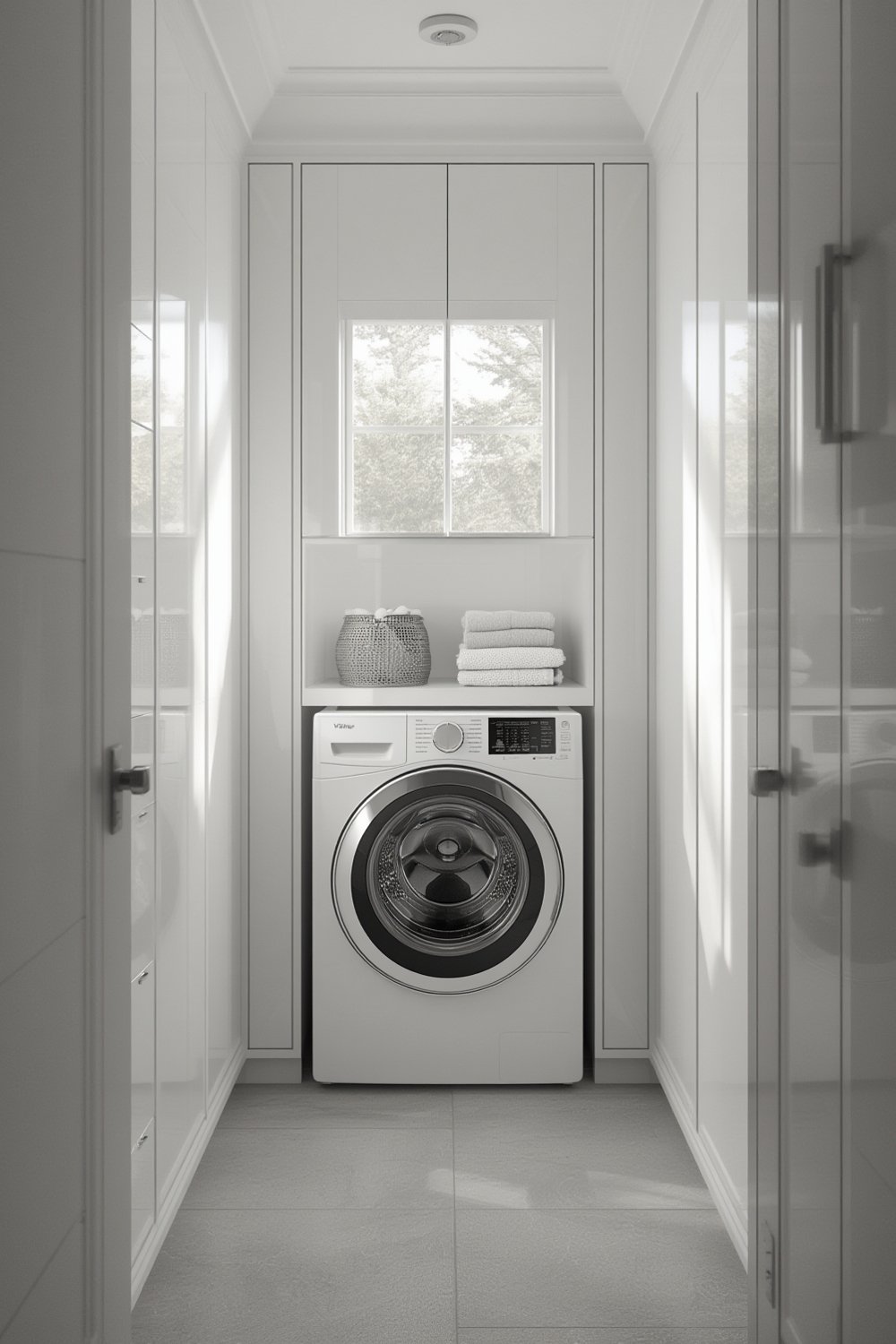
While some manufacturers, like LG, offer large 5.0 cu. ft. capacity models that finish a wash-dry cycle in under 2 hours, even the most compact models are designed to slide into tight urban laundry closets or bathroom corners. This flexibility is a major factor in their rapid adoption. According to latest market reports, the global ventless dryer market—mostly heat pump based—has reached $5.4 billion, with urban adoption accelerating in China, India, France, the UK, and the US (source, source).
For those researching space-efficient living or eco-friendly appliances, you may also enjoy our in-depth guide on metus and aliquam placement solutions for compact homes.
Step-by-Step Guide: Selecting, Installing, and Using a Ventless Washer Dryer
Choosing and using a ventless washer dryer doesn’t have to be complicated. These step-by-step instructions will help you avoid common mistakes, maximize efficiency, and get the most from your new laundry centerpiece.
- Identify Your Needs and Space Constraints: Are you a couple or solo? Do you have a dedicated laundry room or just a small closet? Think about maximum load size, drying times and if you need extra cycles for delicates or allergen removal. For additional space-saving strategies, read our article on aliquet lectus methodologies.
- Understand the Technology: Most ventless units use either condenser or heat pump technology. Heat pumps are far more energy-efficient—saving 499-637 kWh per year (source). Condenser units tend to be cheaper but slower and use more power. Thoroughly research which type fits your usage patterns.
- Check for Compatibility and Power Needs: Determine whether your home provides standard 120V or needs a 240V outlet. Not all combos are universally compatible.
- Installation: Place the machine on a level surface with enough clearance for the door and air circulation. Connect the water supply, plug in the unit, and if needed, route the condensation drain hose. Many combos require only a simple 3-pronged outlet and a water source—no external vent or complex ductwork.
- Routine Usage: Load according to capacity (usually 2.5–5 cu. ft.). Use recommended detergents, choose the cycle, and let the combo move from wash to dry automatically. Avoid overloading—this slows drying and can cause wrinkling. For routines that fit a busy lifestyle, see our guide on cursus euismod daily hacks.
- Maintenance: Clean the lint filter after every cycle, empty the condensation tank (if your model uses one), and occasionally wipe down door seals to prevent mold and odors.
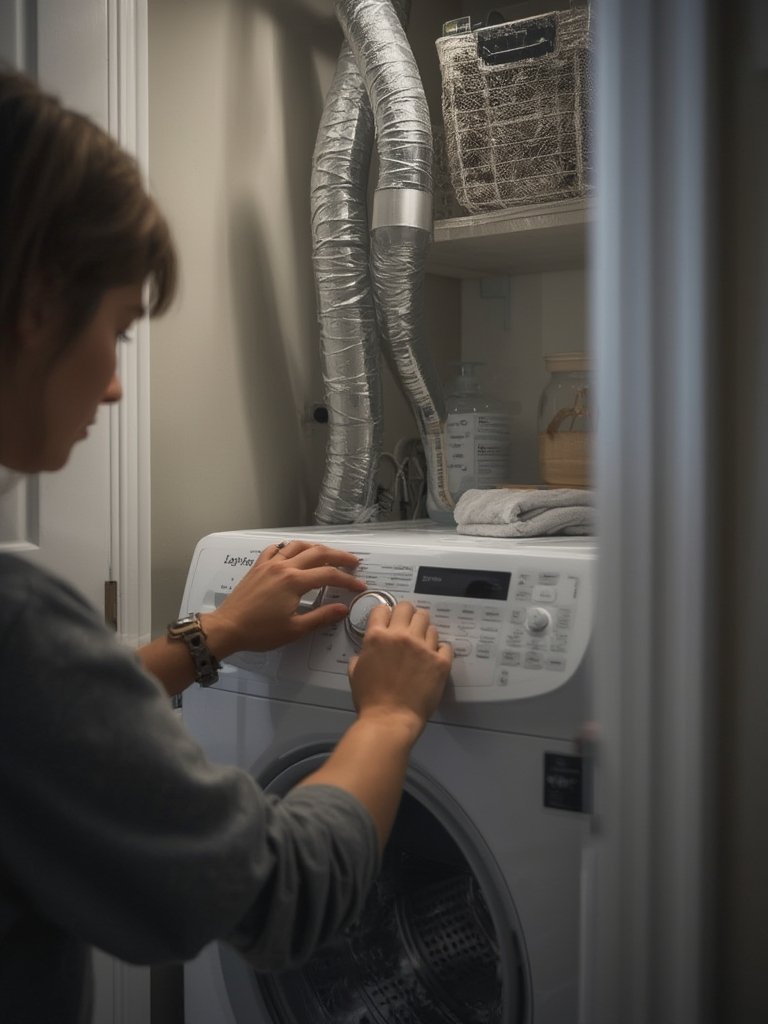
If you run into installation questions or want more tricks for easy integration in apartment setups, our blog on dapibus ultrices for small homes digs deeper.
Advanced Analysis & Common Pitfalls
Not every ventless washer dryer is a hands-off win. Though sales and adoption rates are growing worldwide, especially in urban apartments, real-world reviews point to some potential headaches. Here’s what the data and verified user reports (when available) say.
| Feature | Ventless Condenser | Ventless Heat Pump | Traditional Vented |
|---|---|---|---|
| Annual Energy Use (approx.) |
700–900 kWh | 350–500 kWh | 800–1050 kWh |
| Need for External Vent | No | No | Yes |
| Typical Dry Cycle Time | 90–120 min | 75–110 min | 45–90 min |
| Noise Level | Moderate | Usually quieter* | Moderate |
| Maintenance Needs | Clean filters, drain tank | Clean filters, drain tank | Clean lint trap |
| Humidity Impact | Can slightly raise room humidity if leaks occur | Low, good for apartments | Minimal (exhaust leaves house) |
| Average Dimensions (rounded) |
24–27″ W × 33–35″ H × 24–28″ D | ~27″ W × 39″ H × 30″ D* | Varies (not suitable for most apartments) |
*Exact values depend on brand/model. Manufacturers rarely provide direct noise measurements; heat pump motors are often quieter due to lower operating temperatures and speeds.
- Drying Times: Expect longer dry times compared to vented machines. For a large mixed load, two hours isn’t exceptional for ventless, even with heat pump technology.
- Potential Humidity: If not properly installed, some ventless models can add moisture to the room—causing condensation on walls or windows. Always check seals and, if possible, route the drain hose directly to a waste line.
- Maintenance: Some users forget to check lint filters or empty the collection tank. Neglecting these tasks lowers performance and can lead to musty smells or, worse, leaks. Set a reminder to keep your unit running at its best.
- Capacity Claims: Don’t overload. While LG and others tout “mega” capacity, real-world usage is more modest—especially if you want everything dry, not just damp. Err on the side of smaller loads.
- Purchase and Ownership Costs: While exact pricing fluctuates, expect ventless heat pump combos to command a premium upfront. However, they often pay off over time with much lower electricity bills—especially if you’re in a region with high kWh rates. Long-term repair and maintenance costs are not well-documented yet; select brands with solid warranties.
- Spec Clarity: Published specs for exact dimensions, weight limits, and cycle times remain inconsistent across brands. Always check manufacturer manuals or visit showrooms before buying to avoid surprises—especially if you have ultra-tight space. See sed vulputate odio analysis for more thoughts on buying durable, well-fitting home appliances.
For deeper research on energy and market statistics, see the full Energy Star market and energy savings slides and external resources on the Future Market Insights analysis.
Conclusion
A ventless washer dryer is a smart and modern alternative if you want clean, dry clothes without the hassle or cost of vented installations. While no machine is perfect—expect slightly longer drying times and be diligent with maintenance—most users will find the efficiency, energy savings, and space benefits worthwhile. If you’re considering the transition, check your dimensions, research technology types, and weigh ongoing energy savings against the upfront cost. Ready to experience the next generation of laundry? Shop for a ventless washer dryer and see the upgrade for yourself.
If you’ve got questions or want to see how these solutions fit with other smart home upgrades, browse the rest of our site or check out articles on cursus euismod smart living.
Take the next step: Compare top ventless models, measure your space, and make laundry smarter—today.
Frequently Asked Questions
Do ventless washer dryers really save energy?
Yes. Heat pump technology ventless units can use up to 60% less energy than traditional vented dryers, saving between 499-637 kWh per year based on 2024 research (source).
Do ventless washer dryers add humidity to my apartment?
If installed and maintained properly, most models will not noticeably affect indoor humidity. However, improper installation or neglecting to empty the condensation tank can increase room moisture.
Are ventless washer dryers suitable for renters?
Absolutely. No external venting means minimal installation work. Just make sure you have access to a water supply, drain, and standard electrical outlet.
How long does a typical wash and dry cycle take?
Modern ventless washer dryers (especially heat pump models) typically complete a cycle in 90–120 minutes, but actual times vary by load size and fabric type.
What’s the best way to prevent odors or mildew?
Clean the lint filter after every use, regularly wipe the door seals, and empty the condensation tank. Occasional cleaning with vinegar can help keep the drum fresh.